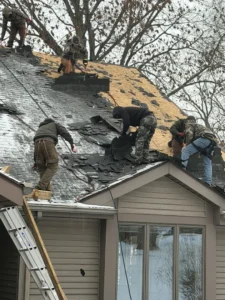
Why Proper Gutter Installation Protects Your Home (and Your Wallet)
Gutter installation is one of the most important home protection projects you can do — and one of the most misunderstood.
Here’s a quick snapshot of what you need to know:
- Average cost: $1,000–$2,500 for a typical home ($8–$15/linear foot professionally installed; $2–$6/linear foot DIY)
- Most popular material: Aluminum ($3–$7/linear foot) — durable, lightweight, and affordable
- Ideal slope: ½ inch for every 10 feet toward a downspout
- Downspout spacing: Every 30–40 feet, plus at corners
- Hanger spacing: Every 2–3 feet along the gutter run
- DIY difficulty: Moderate — first-story installs are doable; second-story and seamless gutters are best left to pros
Without gutters, rainwater runs straight off your roof and pounds the soil around your foundation. That leads to erosion, basement leaks, damaged siding, and potentially thousands in water damage repairs — the average water damage restoration costs more than $3,625. Good gutters stop all of that before it starts.
This guide walks you through everything — from choosing materials to installing gutters yourself — so you can make smart decisions for your home.
I’m Matt Smith, owner of Smith Roofing & Exteriors, and after years of hands-on experience with gutter installation across rural Wisconsin, I’ve seen what works, what fails, and what protects homes through our toughest seasons. Let’s get into it.
Understanding Gutter Types and Materials
Before you pick up a hammer, you need to know what you’re putting on your house. Not all gutters are created equal, and in Southeastern Wisconsin, your choice needs to stand up to heavy snow, summer downpours, and the occasional “Wait, is it still April?” blizzard.
Gutter Materials: A Quick Comparison
The material you choose dictates how long your gutters last and how much they’ll hurt your wallet upfront.
- Aluminum: This is the “Goldilocks” of gutter installation. It’s affordable ($3–$7 per foot), won’t rust, and comes in many colors. It’s what we use for most residential projects in Fort Atkinson.
- Vinyl: The cheapest option ($3–$5 per foot). It’s easy for DIYers because it snaps together, but it can become brittle and crack in our freezing Wisconsin winters.
- Stainless Steel: Extremely durable and won’t rust, but it’s heavy and more expensive ($9–$20 per foot).
- Copper: The “luxury” choice ($15–$30 per foot). It develops a beautiful green patina over time and can last 50+ years, but it requires professional soldering and a healthy budget.
Gutter Styles and Shapes
- K-Style: These look like decorative crown molding. They are the standard for modern homes because they hold more water than other shapes.
- Half-Round: These look like a pipe cut in half. They are often found on historical or European-style homes. They are beautiful but can be trickier to install and more prone to debris clogs.
- Seamless vs. Sectional: Sectional gutters come in 10-foot pieces you “snap” together. Every seam is a potential leak point. Seamless gutters are custom-fabricated on-site in one continuous piece. We almost always recommend seamless for the best long-term protection.
If you’re worried about maintenance, you should also look into the Top Advantages of Installing Gutter Guards to keep those new channels clear of maple seeds and oak leaves.
Choosing the Best System for Your Climate
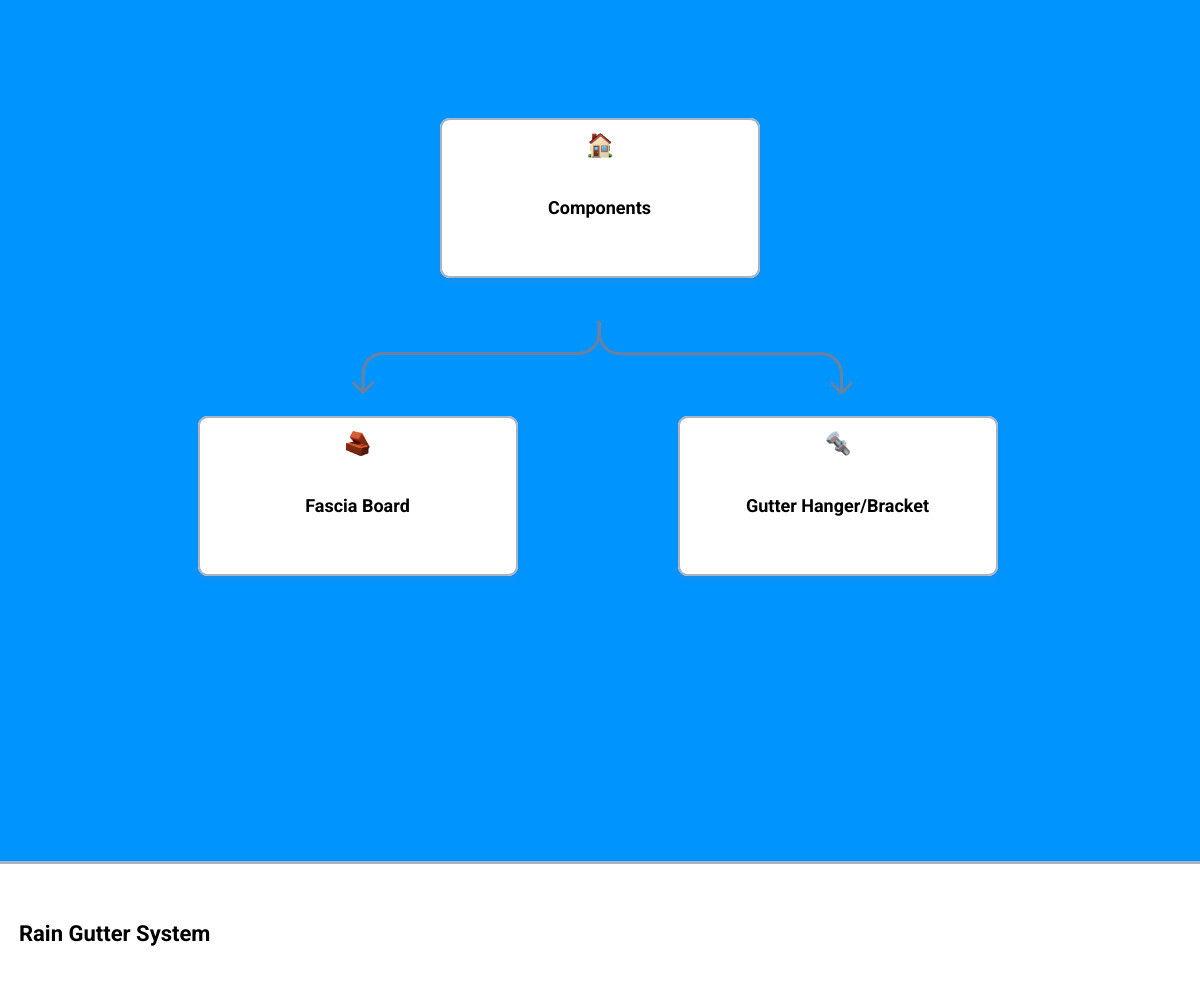
In places like Elkhorn and Jefferson, we have to consider “snow load.” If your gutters are too small or the hangers are too far apart, a heavy ice dam can rip the whole system right off the fascia.
When planning your Gutter Installation in Elkhorn, we look at your roof pitch (how steep it is) and the total square footage of the roof. A steeper roof sends water into the gutter faster, which might require a 6-inch gutter instead of the standard 5-inch. We also perform a thorough fascia inspection to ensure the wood is solid enough to hold the weight of a water-filled gutter.
Planning and Measuring for Gutter Installation
Success in gutter installation is 90% preparation and 10% actually climbing the ladder. You need a solid game plan before you buy a single foot of material.
- Measure the Linear Footage: Use a Tape measure to measure every roof edge where a gutter will go.
- Locate Downspouts: You generally need one downspout for every 30 to 40 feet of gutter. If you have a run longer than 40 feet, you should pitch the gutter from the center out to downspouts at both ends.
- Determine the Slope: Gutters aren’t supposed to be level. If they are, water just sits there and breeds mosquitoes. You need a “pitch” or slope. The standard is 1/2 inch of drop for every 10 feet of horizontal run.
For a deep dive into the technical side of planning, check out these resources on How to Install Gutters or see how we handle Gutter Installation in Lake Geneva for homes with complex rooflines.
Calculating Costs and Material Needs
When budgeting for your project, the “per linear foot” price is just the start. You also need:
- End caps: To close off the ends.
- Fascia brackets/hangers: Space these every 2 to 3 feet (closer in heavy snow areas like Burlington).
- Downspout elbows: Usually three per downspout to get from the gutter, back to the wall, and away from the house.
- Sealant: High-quality gutter caulk is non-negotiable.
If you’re looking for a professional estimate for Gutter Installation in Burlington, we provide transparent pricing so there are no surprises mid-project.
Step-by-Step Guide to Professional Gutter Installation
Ready to get to work? Here is the general process we follow at Smith Roofing & Exteriors to ensure a leak-free system.

1. Mark the Layout Lines
Find the “high point” of your gutter run (farthest from the downspout). Mark it about an inch below the roof flashing. Then, calculate your slope (1/2 inch per 10 feet) and mark the “low point” at the downspout location. Use a Chalk line to snap a line between these two points. This is your guide for the top of the gutter.
2. Prepare the Gutter on the Ground
It is much easier to work on the ground than on a ladder.
- Cut to length: Use a Hacksaw or Miter saw to cut your gutter sections.
- Attach End Caps: Apply a bead of gutter sealant to the end cap and use a Pop rivet gun to secure it.
- Cut Downspout Holes: Mark the outlet location, then use a Hole saw bit – 4-in. or Aviation snips to cut the opening.
3. Install Fascia Brackets
Attach your brackets to the fascia board along your chalk line. We recommend using stainless steel screws and driving them into the rafter tails (usually spaced 16 inches apart) for maximum strength. Pro tip: Rub a little soap on the screws to make them drive into the wood easier!
4. Hang the Gutter
Lift the gutter section into the brackets. This is a two-person job! Once in place, secure the gutter to the brackets using the manufacturer’s recommended screws. For more details on this specific step, How to Install Rain Gutters offers great visual aids.
5. Install Downspouts
Attach the downspout outlet to the gutter with sealant and rivets. Connect your elbows and downspout sections, securing them to the side of the house with U-shaped brackets. Make sure the water discharges at least 3 to 5 feet away from your foundation.
Essential Tools for Gutter Installation
You can’t do this job with just a screwdriver. You’ll need:
- Drill/driver with a Socket set with hex bits
- Aviation snips for trimming metal
- Hacksaw for straight cuts
- Level to double-check your slope
Safety Precautions and Ladder Work
Falling off a ladder is the number one way a DIY project turns into an ER visit.
- Use an Extension ladder: Ensure it’s on level ground.
- Ladder Stabilizers: Use Ladder brackets to keep the ladder from crushing your brand-new gutters.
- Three-Point Contact: Always keep two hands and one foot (or two feet and one hand) on the ladder at all times.
- Power Lines: Be extremely careful when moving metal gutters near overhead power lines.
If you’re not comfortable with heights, it’s always safer to call us for your Gutter Installation in Walworth.
Maintenance and Troubleshooting After Installation
Once your gutters are up, the job isn’t quite over. To get the 20-30 year lifespan you expect from aluminum, you have to take care of them.
Regular Upkeep
- Cleaning: Clean your gutters at least twice a year—once in late spring and once in late fall. Check out our Reliable Gutter Cleaning Services to Protect Your Home if you’d rather stay on the ground.
- Inspection: Look for leaking joints, sagging sections, or rust spots. Knowing the 5 Indications That It’s Time for Gutter Repair can save you from a flooded basement later.
Common Mistakes to Avoid
- Backwards Slope: If the gutter slopes away from the downspout, water will pool and eventually rot your fascia.
- Improper Hanger Spacing: If hangers are more than 3 feet apart, the gutter will sag under the weight of rain or snow.
- Incorrect Outlet Size: A tiny outlet with a big gutter is like a 4-lane highway merging into a 1-lane alley. It will overflow every time.
- Ignoring Leaks: Small leaks lead to big problems. See the 4 Types of Property Damage That Faulty Gutters Can Cause to understand why a $10 tube of sealant is your best friend.
Frequently Asked Questions about Gutter Installation
How much slope should a gutter have for effective drainage?
While some pros use 1/4 inch per 10 feet, we generally recommend 1/2 inch per 10 feet for homes in Southeastern Wisconsin. Our heavy rain and snow melt require a slightly more aggressive pitch to ensure the water moves quickly and doesn’t freeze in the channel. If you’re in the Delavan area and notice standing water in your gutters, you might need a pitch adjustment during your next Gutter Installation in Delavan.
How many downspouts are needed for a standard gutter run?
The rule of thumb is one downspout for every 30 to 40 feet of gutter. However, if you have a very large or steep roof, you might need more to handle the volume of water. We always place downspouts at corners to keep the water moving away from the “valleys” of your roof. For residents looking for Fort Atkinson Gutters, we can calculate the exact drainage capacity your specific roof requires.
When to Hire a Pro for Gutter Installation?
DIY is great for a single-story ranch with a simple roof. However, you should hire a professional if:
- Your home is two stories: The risk of injury increases significantly.
- You want seamless gutters: These require a specialized machine to “roll” the gutter out of a coil of aluminum.
- You have complex rooflines: Mitering corners (joining two gutters at an angle) is an art form that is hard to master.
- You want a warranty: Professional installation usually comes with a workmanship guarantee.
If your current system is falling apart, Understanding When Gutter Replacement Becomes Necessary can help you decide if it’s time to make the call.
Conclusion
Gutter installation might not be the most glamorous home improvement project, but it is undoubtedly one of the most vital. By channeling water away from your foundation, you are protecting the structural integrity of your home and preventing thousands of dollars in future repair costs.
Whether you decide to tackle this as a DIY project or want the peace of mind that comes with professional craftsmanship, Smith Roofing & Exteriors is here to help. We’ve been serving our neighbors in Fort Atkinson, Lake Mills, and across Southeastern Wisconsin for years with transparent pricing and 24/7 emergency services.
Ready to stop worrying about the next big storm? Protect your home with expert gutter services and let us handle the heavy lifting for you. Give us a call today!