What Homeowners Need to Know About Roof Replacement Insurance
Roof replacement insurance is the portion of your homeowners policy that may pay to repair or replace your roof when it’s damaged by a covered event — like a hailstorm, windstorm, fire, or falling tree.
Here’s a quick breakdown of how it works:
- Covered damage (hail, wind, fire, falling objects) → your insurer may pay, minus your deductible
- Not covered (aging, poor maintenance, wear and tear) → you pay out of pocket
- Actual Cash Value (ACV) policies → pay the depreciated value of your roof
- Replacement Cost Value (RCV) policies → pay the full cost to replace your roof
- Your deductible applies first — and for wind/hail damage, it’s often higher than your standard deductible
The average cost of a full roof replacement runs around $9,520 to $11,500. That’s a number most homeowners aren’t prepared to absorb on their own — which is exactly why understanding your coverage before the storm hits matters so much.
Here in rural Wisconsin, severe weather is a fact of life. Hail, ice dams, and heavy winds can do serious damage fast. And when that happens, navigating the insurance process can feel overwhelming.
I’m Matt Smith, owner of Smith Roofing & Exteriors, and I’ve spent years helping Wisconsin homeowners work through roof replacement insurance claims — from the first inspection to the final payment. In this guide, I’ll walk you through everything you need to know to protect your home and your wallet.

Understanding Your Roof Replacement Insurance Policy
When we talk about roof replacement insurance, we are really talking about “dwelling coverage.” This is the part of your homeowners policy that protects the structure of your home. However, insurance isn’t a maintenance plan; it’s designed to protect you against “sudden and accidental” losses.
In Southeastern Wisconsin, we see a specific set of “covered perils” that most standard policies (like HO-3 or HO-5) include:
- Windstorms and Tornadoes: High winds can lift shingles, crease them, or blow them off entirely.
- Hail Damage: Hail can bruise the shingle matting, leading to premature failure.
- Fire and Lightning: Whether it’s a direct strike or a house fire, these are almost always covered.
- Falling Objects: If a heavy oak limb crashes onto your roof during a storm in Lake Mills or Fort Atkinson, that’s a covered event.
- Snow and Ice Weight: Our Wisconsin winters are brutal. The weight of heavy, wet snow or the structural damage caused by ice dams is often included in standard coverage.
Knowing the signs you need a new roof is the first step in determining if you have a valid claim. If you see daylight through the boards in your attic or notice granules piling up in your downspouts after a storm, it’s time to look at your policy.
Common Exclusions in Roof Replacement Insurance
While insurance is great for emergencies, it doesn’t cover everything. We often have to break the news to homeowners that their “damage” is actually just “old age.” Standard exclusions include:
- Wear and Tear: Shingles naturally degrade over time. If your roof is 25 years old and just leaking because the shingles are brittle, insurance likely won’t pay.
- Lack of Maintenance: If you haven’t cleaned your gutters or removed moss, and that neglect leads to rot, the insurer may deny the claim.
- Pest Damage: Squirrels or raccoons chewing through your vents is usually considered a maintenance issue.
- Mold and Rot: Unless the mold is a direct result of a covered peril (like a tree hole letting in rain), it’s often excluded.
- Improper Installation: If the previous roofer didn’t follow code, insurance won’t pay to fix their mistakes.
On the bright side, installing a high-quality roof can actually save you money. Many insurers offer new roof insurance discounts ranging from 5% to 35% if you use impact-resistant materials.
How Roof Age Impacts Roof Replacement Insurance Payouts
Age is the biggest factor in whether your insurance company will write a check for a full replacement or just a small repair. The average life expectancy of a 3-tab asphalt shingle roof is only 15 to 18 years.
Insurers use the “80% Rule.” This means you must insure your home for at least 80% of its total replacement value to receive full payment on a claim. If your roof is past its prime, the insurance company might limit your coverage to Actual Cash Value (ACV) or even refuse to renew your policy until the roof is replaced.
Keeping meticulous maintenance records can help prove the roof was in good shape before a storm. We recommend checking for 5 warning signs your shingle roof needs to be replaced annually so you aren’t caught off guard by a denial based on “pre-existing wear.”
Actual Cash Value vs. Replacement Cost Value
This is the most critical part of your policy to understand. It determines how much money actually lands in your bank account.
- Replacement Cost Value (RCV): This is the gold standard. If it costs $15,000 to replace your roof today, the insurance company pays $15,000 (minus your deductible).
- Actual Cash Value (ACV): This factors in depreciation. If your $15,000 roof is 10 years old and has reached half its lifespan, the insurer might only pay you $7,500 (minus your deductible).
| Feature | ACV Coverage | RCV Coverage |
|---|---|---|
| Payout Basis | Depreciated Value | Current Market Price |
| Out-of-Pocket | High (you pay the difference) | Low (usually just deductible) |
| Premiums | Lower monthly cost | Higher monthly cost |
| Best For | Budget-conscious owners | Total protection |
The average cost of replacing a roof is roughly $9,520, but in places like Lake Geneva or Elkhorn, custom homes can see much higher figures. If you have an ACV policy on an old roof, you could be looking at a massive out-of-pocket bill.
Many RCV policies use a two-step payment process. They send you an initial check for the ACV. Once the work is finished and we submit the final invoice, they release the “recoverable depreciation” to cover the remaining balance.
Deductibles and Roof Replacement Insurance
Your deductible is the “buy-in” you pay before insurance kicks in. In Wisconsin, we see two main types:
- Fixed Dollar Deductible: A flat fee, like $1,000 or $2,500.
- Percentage-Based Deductible: Often used for wind and hail, this is a percentage of your home’s total insured value. If your home is insured for $400,000 and you have a 1% wind/hail deductible, you are responsible for the first $4,000.
Be wary of any contractor who offers to “waive” your deductible. In many states, this is considered insurance fraud. It is your legal responsibility to pay that portion of the claim.
The Process: Filing a Successful Claim
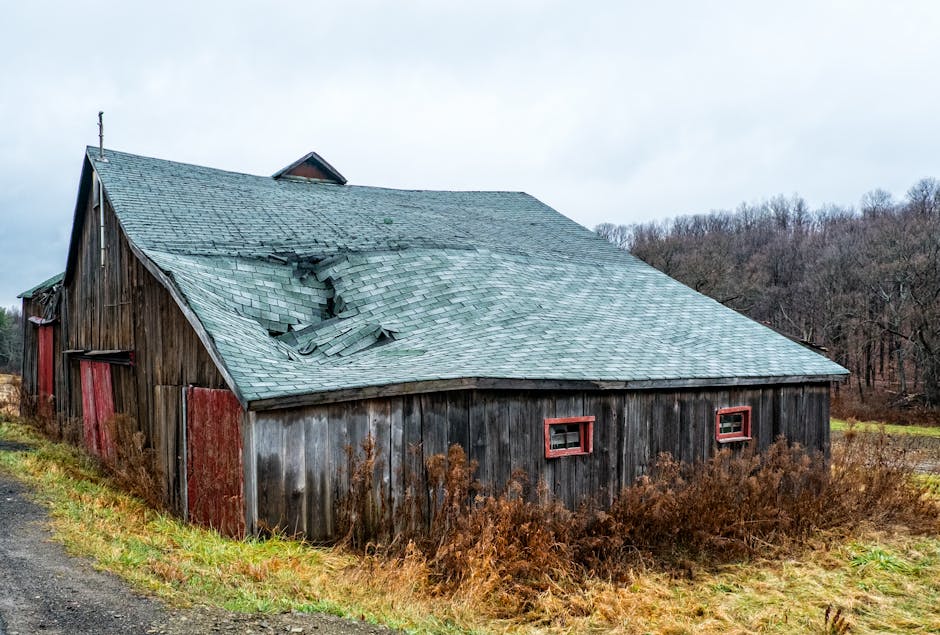
When a storm rolls through Jefferson County, your first priority is safety. Once the wind dies down, follow these steps to protect your claim:
- Assess and Document: Take photos from the ground. Look for missing shingles or dented gutters.
- Mitigate Further Damage: If there is a hole in the roof, you have a “duty to mitigate.” This means putting a tarp over the hole to prevent interior water damage. Keep your receipts for these emergency roof repairs as they are usually reimbursable.
- Call a Professional: Before calling insurance, have a reputable local roofer inspect the damage. We can tell you if the damage actually exceeds your deductible, saving you from filing a “zero-pay” claim that could still raise your rates.
Step-by-Step Guide to Roof Replacement Insurance Claims
Filing a claim for roof replacement insurance follows a fairly standard path:
- Step 1: The Inspection. We provide a detailed report with photos.
- Step 2: File the Claim. Call your insurance company with the “date of loss” (the day the storm happened).
- Step 3: The Adjuster Meeting. The insurance company sends their own representative to verify the damage.
- Step 4: The Estimate. You’ll receive a “Scope of Loss” statement. We review this to ensure they didn’t miss anything, like local building codes or specialized flashing. Roofing contractors calculate costs using software like Xactimate, which many insurers also use, to ensure pricing is fair.
- Step 5: Supplements. If we find more damage once we tear off the old shingles, we submit a “supplement request” to the insurer to cover the extra costs.
What to Do During the Insurance Adjuster Inspection
We always recommend having your contractor present during the adjuster’s visit. Why? Because adjusters are human—they can miss things.
When we meet an adjuster on a roof in Burlington or Edgerton, we act as your advocate. We point out subtle hail bruises or wind-lifted shingles that might be overlooked. We ensure the “scope of work” includes everything needed to bring the roof up to current Wisconsin building codes. This professional advocacy is often the difference between a repair and a full replacement.
Finding a Reputable Contractor and Avoiding Scams
After a big storm, “storm chasers” often flood Southeastern Wisconsin. These are out-of-state companies that knock on doors, promise “free roofs,” and then disappear once they have your insurance check.
To protect yourself, look for:
- Local Roots: Do they have an office in Fort Atkinson or Lake Mills?
- Licensing and Insurance: Ask for proof of workers’ comp and liability insurance.
- Online Reviews: Check the BBB and Google. Avoiding roofing scams starts with doing your homework.
Handling Claim Denials and Appeals
If your claim is denied, don’t panic. Common reasons for denial include “pre-existing damage” or “insufficient damage.”
You have the right to appeal. You can:
- Request a Re-inspection: Ask for a different adjuster.
- Submit More Evidence: Provide more photos or a more detailed report from your contractor.
- Hire a Public Adjuster: These are independent professionals you pay to negotiate with the insurance company.
- Contact the State Insurance Commissioner: If you feel you are being treated unfairly, the Wisconsin Office of the Commissioner of Insurance is there to help.
Frequently Asked Questions about Roof Insurance
Will filing a roof claim increase my insurance rates?
It’s possible. While many states prevent insurers from raising rates for a single “Act of God” claim (like a storm), they can raise rates for an entire zip code if a disaster was widespread. If you have a history of multiple claims, you may also face non-renewal.
Should I contact my insurance company or a roofer first?
Contact a roofer first. A professional inspection will confirm if there is enough damage to warrant a claim. If you call insurance first and they find no damage, that “claim” stays on your record even if they don’t pay a cent.
Does insurance cover roof leaks?
Yes, but only if the leak was caused by a covered peril. If a tree branch punctures your roof and it leaks, you’re covered. If the roof leaks because the shingles are 30 years old and falling apart, insurance generally will not cover the roof or the interior damage.
Conclusion
Navigating roof replacement insurance doesn’t have to be a nightmare. By understanding your policy, documenting damage immediately, and working with a trusted local partner, you can ensure your home is protected without breaking the bank.
At Smith Roofing & Exteriors, we pride ourselves on being Fort Atkinson’s local experts. We offer 24/7 emergency services, transparent pricing, and superior materials to our neighbors across Southeastern Wisconsin—from Lake Geneva to Walworth and beyond.
Don’t wait for the next storm to find out if you’re covered. Schedule your storm damage inspection with us today, and let’s make sure your “shingle life” is a secure one.