Owning or managing a business property means constantly juggling maintenance tasks, but few are as critical as maintaining the integrity of your building’s shelter. The weather here in Wisconsin is notoriously unpredictable, often shifting from sunshine to severe squalls in the blink of an eye. For business owners, this variability poses a significant threat to commercial roofing in Fort Atkinson, WI, particularly regarding storm damage. Identifying the early signs of distress after a weather event is vital to preventing minor issues from ballooning into costly structural failures.
The Hidden Dangers of Wind Uplift
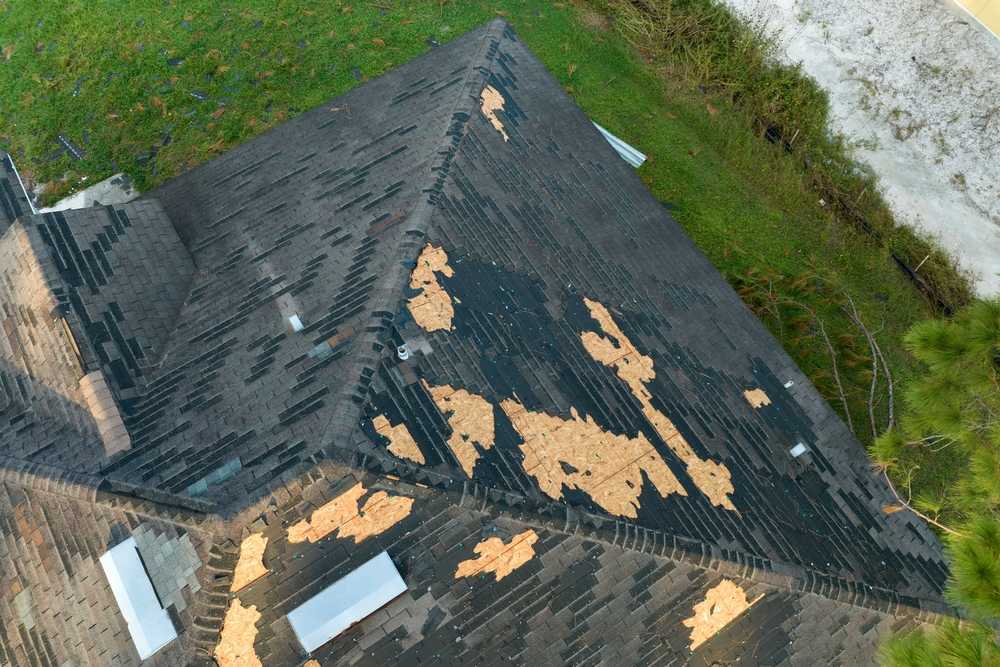
When a severe storm rolls through Jefferson County, high winds are often the most immediate concern for flat or low-slope roofs. While it might look fine from the ground, strong gusts can cause what is known as wind uplift. This occurs when the air pressure below the roofing assembly becomes higher than the air pressure above it, effectively pulling the membrane away from the structure. If the wind speed is high enough, it can loosen fasteners, compromise the adhesive, or even tear the roofing material at the seams.
Recognizing Hail Impact on Different Materials
Hail is another frequent culprit during Wisconsin storms, and its impact varies significantly depending on the type of roofing material you have installed. On traditional asphalt or modified bitumen roofs, hail often leaves “bruises” or dark spots where granules have been dislodged, exposing the underlying layers to UV degradation. For TPO or EPDM single-ply membranes, large hailstones can cause micro-fractures or punctures that might not be immediately visible to the untrained eye but will eventually lead to water infiltration.
Debris Accumulation and Puncture Risks
Storms rarely come alone; they bring a host of debris ranging from small branches to entire tree limbs and other wind-blown objects. When this debris lands on your roof, the impact alone can puncture the membrane or crack the decking substrate. Furthermore, if this debris is left unattended, it can accumulate over time, trapping moisture against the roof surface and accelerating the deterioration of the materials beneath it.
Compromised Flashing and Edge Metal
The perimeter of your roof is often its most vulnerable point during a storm. Flashing and edge metal are designed to seal the transitions between the roof and walls, vents, or HVAC units, but high winds can pry these metal components loose. Once the seal is broken, wind-driven rain can easily find its way into the building envelope, causing leaks that may manifest far from the actual point of entry.
Clogged Drainage Systems
Heavy rainfall often accompanies storms, testing the limits of your building’s drainage system. If your gutters, downspouts, or internal drains are clogged with leaves or storm debris, water will back up and pool on the roof surface. Standing water, or “ponding,” is a major enemy of commercial roofing systems; the immense weight of the water can cause structural sagging, while the prolonged moisture can degrade adhesives and seams.
The Threat of Soaked Insulation
One of the most insidious results of storm damage is water penetrating the outer membrane and soaking into the insulation layers below. Wet insulation loses its R-value, meaning your building becomes less energy-efficient, driving up heating and cooling costs significantly. Worse yet, trapped moisture within the insulation acts as a breeding ground for mold and can corrode steel deck components from the inside out, often remaining undetected until a major failure occurs.
Why Professional Inspection is Crucial
While a cursory walk-around might help you spot obvious debris, many forms of storm damage are invisible to the layperson. Micro-tears in seams, slight gaps in flashing, or spongy insulation require professional diagnostic tools and a trained eye to identify. Relying on a professional ensures that you get a comprehensive assessment, complete with the documentation needed for potential insurance claims.
Navigating Insurance Claims
Dealing with insurance after a storm can be a headache, but having a roofing partner who understands the process makes a world of difference. A credible roofing contractor can meet with your insurance adjuster to ensure all damage is properly identified and agreed upon. This collaborative approach helps prevent claim denials and ensures that the settlement covers the full scope of necessary repairs.
The Cost of Delaying Repairs
Procrastination is the enemy of a healthy roof. A small puncture from a storm today can turn into a massive leak after the next heavy rain or freeze-thaw cycle. By addressing commercial roofing in Fort Atkinson, WI, and storm damage issues immediately, you extend the lifespan of your asset and avoid the disruption of emergency repairs down the road.
Trust Smith Roofing & Exteriors for Commercial Roofing in Fort Atkinson, WI, and Storm Damage Repair
If your property has recently weathered a severe storm, do not wait for a leak to appear before taking action. At Smith Roofing & Exteriors, we specialize in detecting and repairing commercial roofing in Fort Atkinson, WI, specifically related to storm damage. Our team provides thorough inspections and reliable repairs to ensure your business stays dry and secure. Contact us today to protect your investment.