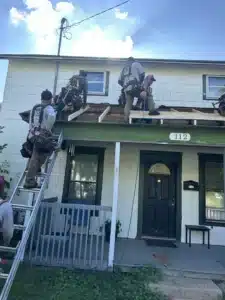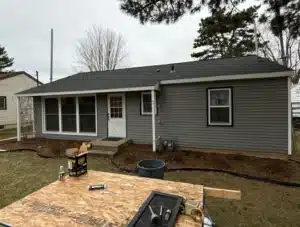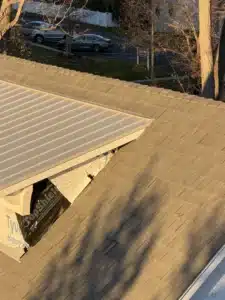
Understanding the Roof Ridge Cap and Its Role
The roof peak is constantly fighting the weather. When strong winds, heavy snow, and hail hit Southeastern Wisconsin homes, the highest point of your structure takes the brunt of the storm.
What Is a Ridge Cap and Why Is It Essential?
A roof ridge cap consists of specially designed shingles or metal covers that overlap the apex where two opposing roof slopes join. Unlike standard field shingles laid flat across the wide expanses of your roof deck, ridge cap shingles are pre-bent or manufactured with extra flexibility to hug the peak tight.
Ridge caps serve two indispensable jobs:
- Weather Barrier: They seal the open structural seam at the peak to keep rain, melting ice, and wind-driven snow from penetrating under your roofing system. High-profile architectural caps also add a finished, thick aesthetic to your roof line.
- Attic Ventilation Support: Modern roofing systems feature continuous ridge vents running along the peak. The ridge cap sits directly on top of these ventilation slots, allowing trapped hot air and moisture to vent out from the attic while creating a baffle against driving rain.
Because ridge shingles sit at the absolute peak, they experience maximum wind uplift pressure. High-profile cap shingles from top manufacturers are engineered to withstand uplift from winds up to 110 mph when nailed and sealed properly. However, constant thermal expansion and sun exposure mean they wear out faster than flat field shingles.
Can Ridge Damage Cause Attic Leaks and Structural Issues?
Absolutely. Because the ridge covers the apex of your entire home, a single compromised ridge cap shingle opens the top of your house to water intrusion. When rain sneaks under a lifted ridge shingle, gravity carries that moisture straight down along the interior rafters, wood decking, and ceiling drywall.
If you ignore small peak defects, you risk severe interior damage:
- Attic Moisture & Mold: Trapped water saturates attic insulation, reducing energy efficiency and spawning toxic mold spores.
- Structural Wood Rot: Persistent moisture decays the main ridge board and roof rafters, compromising the structural stability of your home.
- Hidden Ceiling Damage: Water often travels far from the original peak opening, pooling above ceilings before leaving dark, ugly water stains.
To understand why addressing small water spots quickly saves thousands of dollars in structural work down the road, read our detailed guide on why you should never ignore a residential roof leak, even if it is small.
Diagnosing Ridge Damage and Finding Roof Ridge Repair Near Me
Identifying peak problems early allows you to schedule targeted repairs before interior damage happens.
Key Signs You Need Roof Ridge Repair Near Me Immediately
You don’t always need to climb onto a steep ladder to spot peak failure. Taking a walk around your yard with a pair of binoculars after a high-wind storm can help you spot several critical warning signs:
- Missing or Dislodged Shingles: Clean gaps along the peak line expose dark underlayment or bare wood decking.
- Cracking along the Bend: As asphalt age sets in, the sharp bend of a ridge cap shingle stress-fractures, allowing water to seep through the split.
- Lifted Edges or Curling: High winds loosen older adhesives, causing shingle corners to curl upward and pull away from the ridge vent.
- Exposed, Rusting Fasteners: If the final retaining nails at the end of a ridge run lose their protective polymer sealant, rust forms and water runs down the nail shank into your framing.
- Widespread Granule Loss: Bald ridge shingles lose their UV defense, accelerating asphalt breakdown under intense summer sunlight.
- Interior Signs: Ceiling stains near the center of high, vaulted ceilings or damp attic insulation directly below the main peak beam.
How Often Should Ridge Caps Be Inspected and Maintained?
Ridge cap shingles typically have an operational lifespan of 15 to 25 years. However, because they remain under constant physical tension from being bent over the peak, they wear down sooner than field shingles.
We recommend having your roof peak visually inspected every 5 years, as well as after any major regional storm producing hail or gale-force wind gusts. Catching minor nail pops, deteriorating sealants, or minor cracks early allows for quick touch-ups that can extend your roof’s total operational lifespan by 10 to 15 years.
Step-by-Step Guide: Should You Repair or Replace Damaged Ridge Caps?
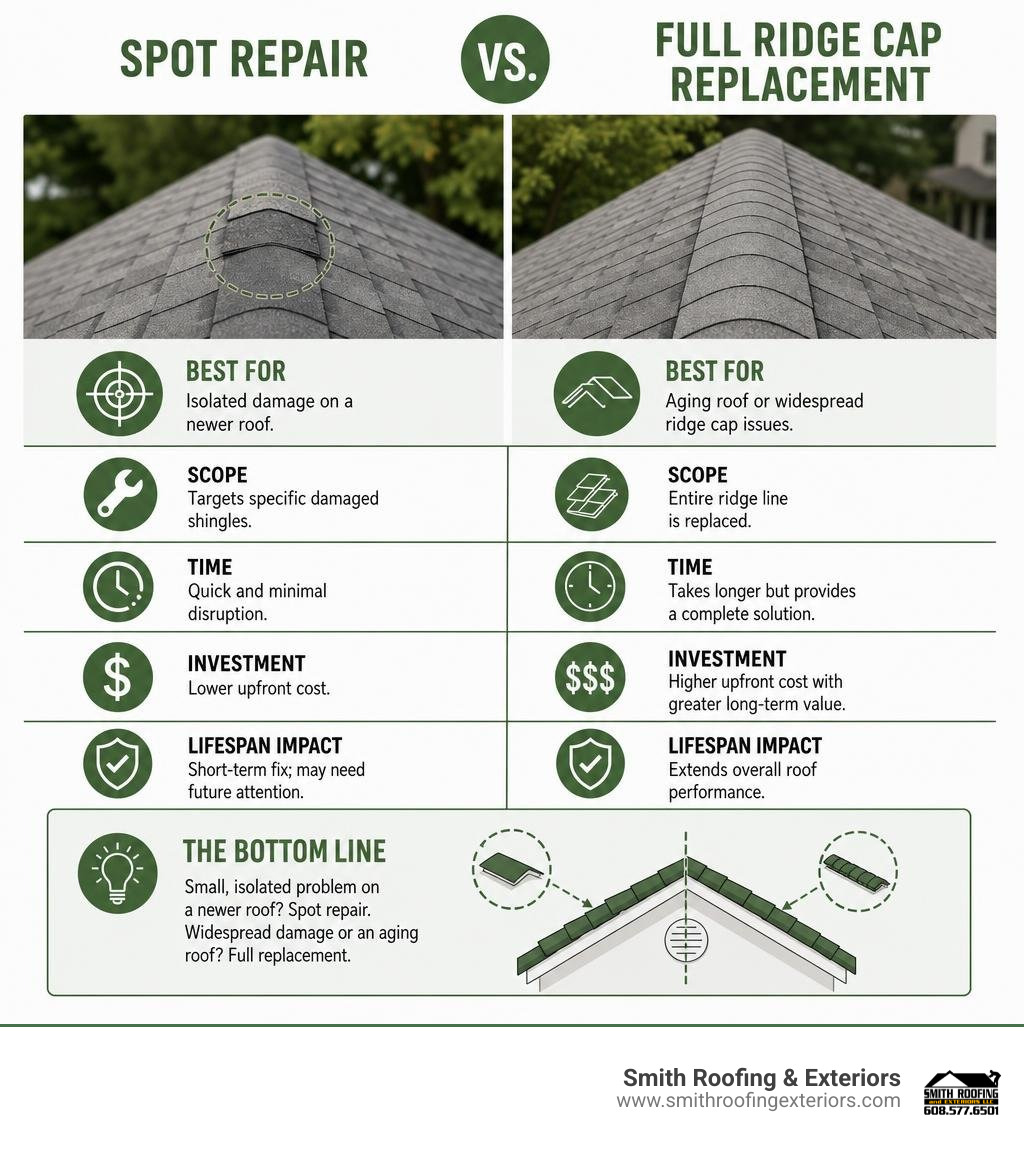
When homeowners search for roof ridge repair near me, their main decision comes down to performing a small patch job versus replacing the entire ridge line.
Evaluating Repair vs. Replacement Options
If high winds blow off two or three isolated cap shingles on a roof that is only 5 to 10 years old, a straightforward targeted spot repair is typically all you need. We simply slide in matching replacement cap shingles, fasten them with proper length nails, and apply high-grade polymer sealant.
However, if your roof is past its 20-year milestone and the ridge caps show deep cracking along the center bend, spot patching creates a endless game of catch-up. Attempting to nail down single brittle shingles on an aging roof can split adjacent tiles, making replacement of the full ridge cap line the smarter, more cost-effective choice.
| Repair Metric | Spot Ridge Repair | Full Ridge Cap Replacement |
|---|---|---|
| Best For | Isolated wind damage, single missing shingle | Widespread cracking, aging asphalt, severe storm damage |
| Typical Cost Range | $380 – $800 | $800 – $2,000+ |
| Average Duration | 1 to 3 hours | 4 to 8 hours (1 day) |
| Lifespan Extension | Solves immediate leak spot | Adds 10–15 years of peak protection |
| Aesthetic Result | Color match may slightly vary due to field fading | Uniform color and clean architectural look |
For a broader look at deciding whether your overall roofing system needs a quick fix or a fresh installation, check out our guide on roof repair vs replacement: what’s the right move?
The Ridge Cap Repair and Replacement Process
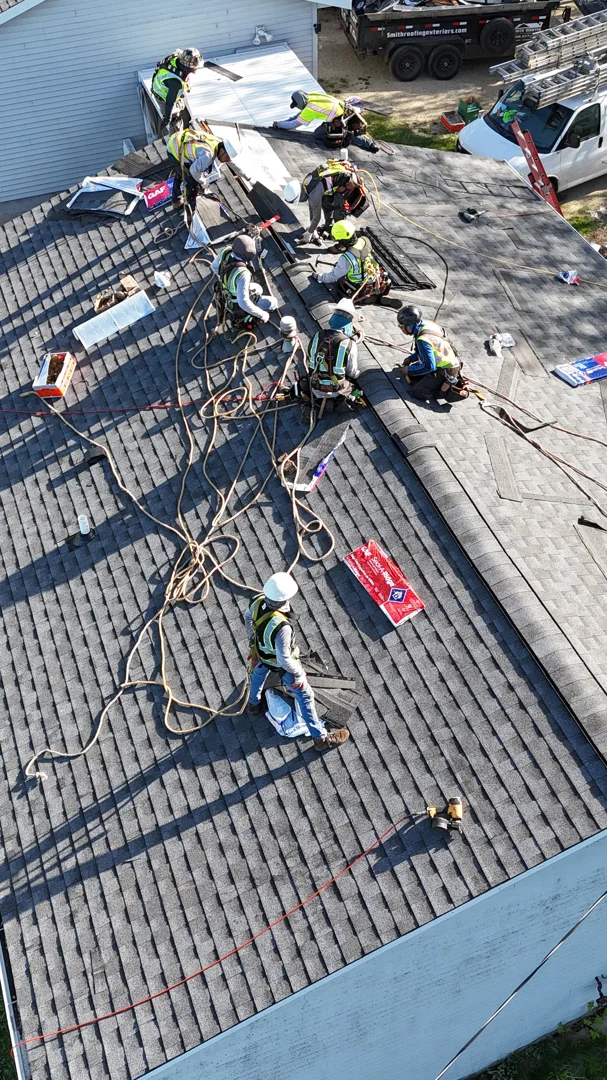
When you hire our local team for professional ridge cap work, we follow a strict sequence to ensure your peak remains watertight for decades:

- Safety Setup & Peak Assessment: We establish certified fall-protection anchor systems, examine the peak from end to end, and check underlying decking for hidden rot.
- Removal of Damaged Material: We carefully prying up damaged, cracked cap shingles, corroded nails, and old brittle sealants without tearing adjacent field shingles.
- Underlayment & Flashing Inspection: We inspect the underlying ice and water shield or synthetic felt lining the ridge seam. Damaged underlayment is replaced immediately.
- Ridge Vent Optimization: If your roof features continuous ridge venting, we clear away debris, ensure ventilation slots remain unobstructed, and verify the vent housing is anchored tight.
- High-Profile Shingle Installation: We lay down new, heavy-duty cap shingles starting from the leeward side (opposite prevailing winds) to maximize wind uplift resistance. Shingles are secured using hot-dipped galvanized nails long enough to penetrate deep into the solid wood roof decking.
- Polymer Sealing & Cleanup: We seal all exposed fastener heads on the final cap shingle using elastic, UV-resistant polymer sealants. Finally, we run rolling magnets around your property to pick up stray nails and clean away job site debris.
Costs, Permits, and Timeline for Roof Ridge Repair
Understanding job pricing, local codes, and scheduling helps you plan your repair project with confidence.

Typical Costs and Project Durations
Across national averages and local Midwest markets, roof repairs range between $380 and $1,800, with most homeowners spending roughly $1,100.
For targeted roof ridge repair near me, costs depend on several clear factors:
- Minor Spot Patch (1-3 missing shingles): $380 – $600
- Full Ridge Cap Replacement (Standard Home): $800 – $1,800
- Ridge Repair with Decking or Vent Replacement: $1,500 – $2,000+
Labor generally makes up roughly 60% of the overall cost of roofing repairs, averaging about $2 per square foot. Factors like a steep roof pitch, multi-story home heights, or difficult access will influence total labor hours.
For standard residential properties, almost all ridge cap repairs and full ridge replacements are completed in a single day (typically 4 to 8 hours), weather permitting.
Permits and Insurance Claims for Ridge Damage
In most Southeastern Wisconsin communities, standard maintenance repairs—such as swapping out a few damaged shingles or resealing a short ridge cap section—do not require a municipal building permit. However, if your repair involves tearing out structural ridge boards, replacing wide sections of rotted roof decking, or altering ventilation framing, a building permit from your local municipal clerk or building inspector is required.
Will Insurance Cover Ridge Cap Damage? Yes, if the ridge cap destruction stems from a sudden covered peril, such as a severe windstorm, tornado, or hail storm. Homeowners insurance policies typically do not cover wear-and-tear or neglect on an aging 25-year-old roof.
When storm damage hits:
- Document the peak visually with photos from ground level.
- Contact us to provide a detailed written inspection report and repair quote.
- Submit the contractor documentation directly to your insurance adjuster to streamline your claim.
How to Choose a Contractor for Roof Ridge Repair Near Me
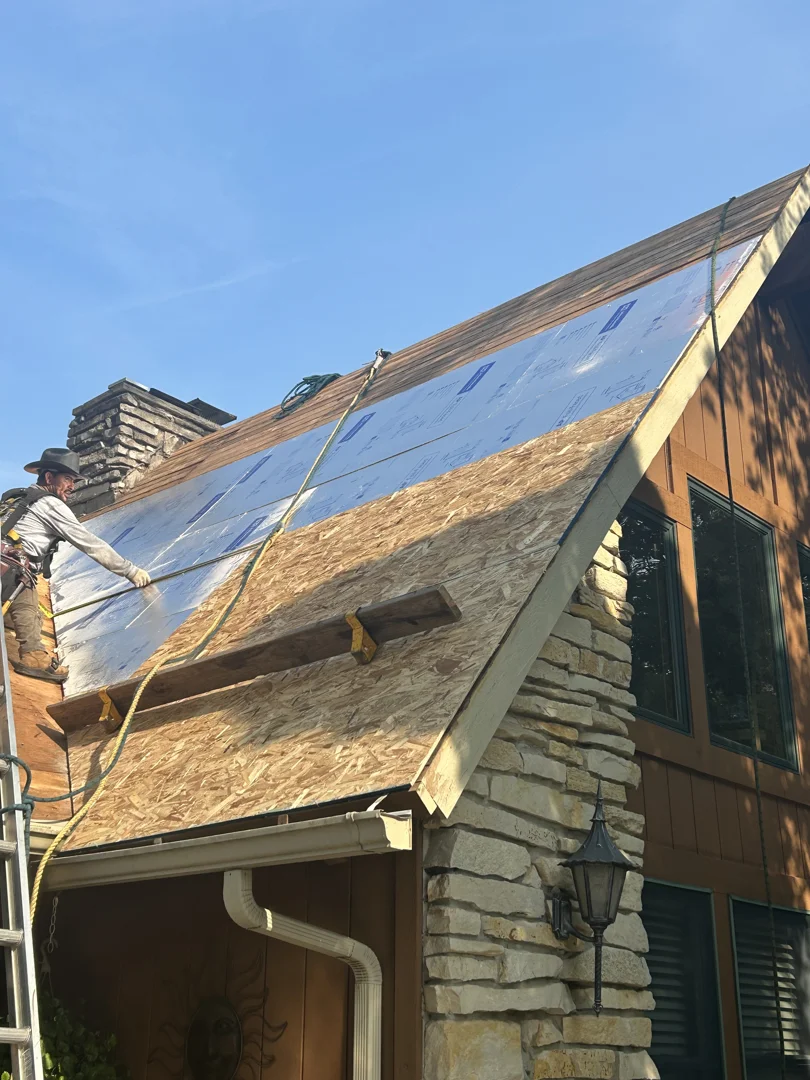
Roof repairs—especially peak work—demand a higher level of technical diagnostic skill than basic standard roof replacements. Finding a qualified roofer near you ensures your peak won’t fail during the next severe winter freeze.
Key Questions to Ask When Hiring a Local Contractor
Before signing any contract or paying money, protect your wallet and your home by asking prospective contractors these key vetting questions:
- Are you fully licensed and insured in Wisconsin? (Never hire an uninsured contractor; ask for direct proof of general liability and worker’s compensation coverage).
- Do you use employee crews or third-party subcontractors?
- Do you provide photo documentation before and after the repair? (A quality roofer takes clear high-resolution photos of the hidden damage at the peak so you can see what work was completed).
- What exact nailing pattern and sealant products do you use for high-wind cap installations?
- What written workmanship and manufacturer warranties come with the job?
To dive deeper into hiring trusted professionals, read our guide on how to call a roof repair contractor to fix your roof and discover the difference that a timely roof repair can make.
Vetting Local Specialists for Roof Ridge Repair Near Me
Be cautious of out-of-state storm chasers who knock on doors asking for full upfront payments. Trustworthy local roofers carry an established community reputation, offer transparent pricing, and never ask for complete job payment before materials are delivered and work begins.
If your property is governed by strict local HOA guidelines, working with an experienced local contractor is even more important. We verify exact manufacturer color lines (like CertainTeed or GAF) to ensure your replacement ridge cap shingles match your original field shingles seamlessly for full HOA compliance.
Frequently Asked Questions About Roof Ridge Repair
How long does a typical ridge cap repair or replacement take?
For most standard single-family residential homes, a professional ridge cap repair or complete ridge cap replacement takes just one day to finish. Jobs usually wrap up within 4 to 8 hours, depending on roof pitch, peak length, and weather conditions.
Does homeowners insurance cover roof ridge cap repair?
Insurance policies generally cover ridge cap repair if the destruction was caused by covered storm events, such as high-wind tornadic gusts, fallen tree limbs, or heavy hail damage. Insurance typically will not pay for damage caused by normal aging, moss neglect, or deferred home maintenance.
Can I perform a DIY repair on my roof ridge cap?
We strongly advise against DIY ridge cap repairs. Working at the absolute peak of a sloped roof carries severe fall hazards. Furthermore, improper shingle bending, incorrect nail lengths, or misaligned ridge vent placement can create hidden water traps and void your manufacturer’s roof warranty.
Conclusion: Protect Your Home Peak Today
Your roof ridge cap is your home’s first line of defense against severe weather. By inspecting your peak regularly, catching cracked shingles early, and partnering with experienced local professionals when issues surface, you preserve your roof deck, safeguard your attic, and maintain your home’s total curb appeal.
At Smith Roofing & Exteriors, we bring years of direct local experience, clear transparent pricing, and 24/7 emergency response to homeowners in Fort Atkinson, WI, and across surrounding communities including Lake Mills, Jefferson, Burlington, Delavan, Elkhorn, Lake Geneva, Walworth, and Edgerton.
Whether you need a quick wind damage patch or a full peak restoration, we are here to ensure your roof peak remains rock solid.
For more straightforward roof maintenance advice, check out the easiest way to fix a roof leak or explore top-tier asphalt shingle roofing options tailored for your home.
Ready for a trustworthy assessment? Contact Smith Roofing & Exteriors today at our Fort Atkinson office to schedule your professional roof inspection!