What Are the Best High Quality Roofing Materials for Your Home?
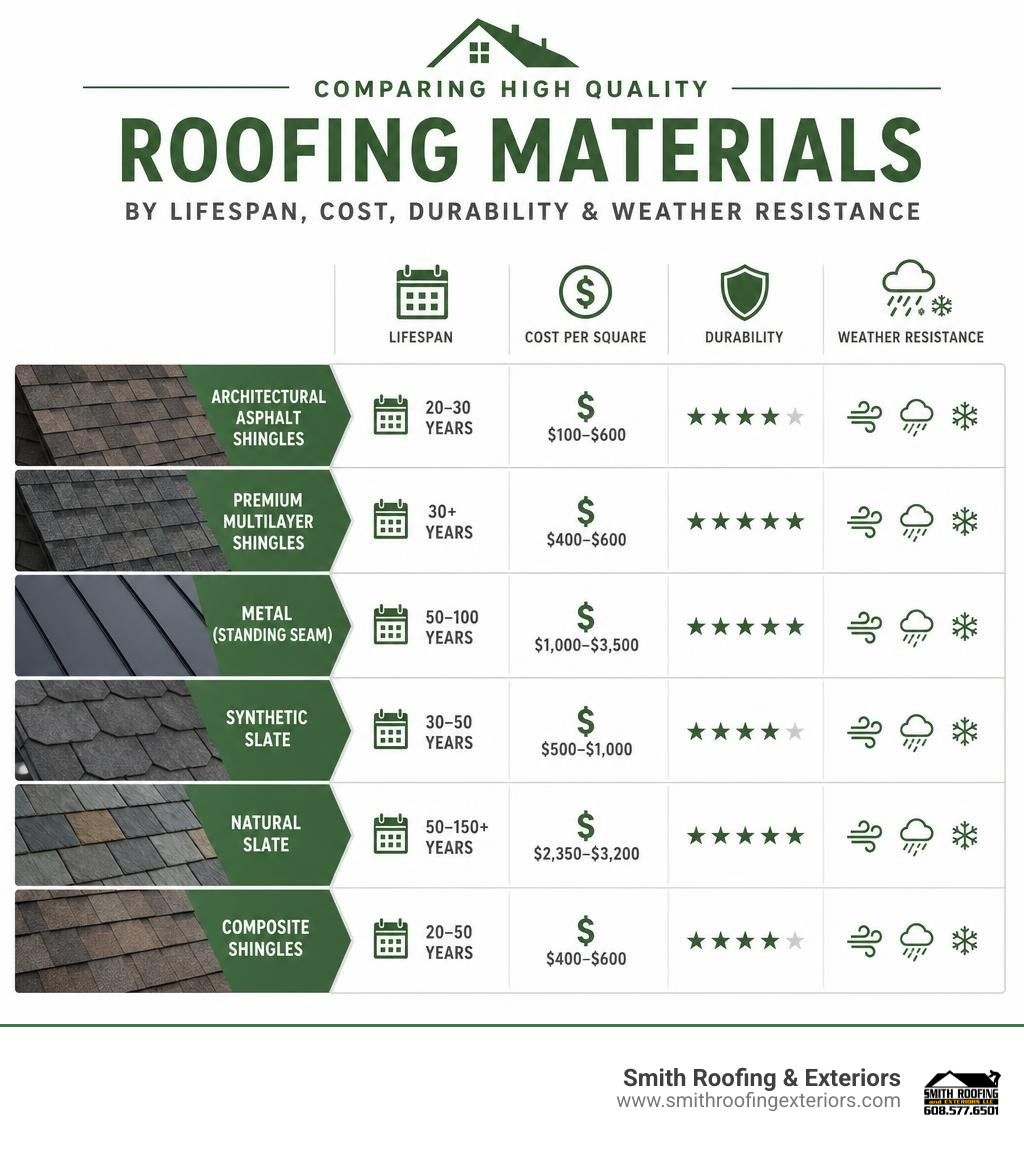
When it comes to high quality roofing materials, here’s a quick-reference breakdown of the best options by priority:
| Material | Lifespan | Cost per Square | Best For |
|---|---|---|---|
| Architectural asphalt shingles | 20–30 years | $100–$600 | Value + durability |
| Premium multilayer shingles | 30+ years | $400–$600 | Curb appeal + storm resistance |
| Metal (standing seam) | 50–100 years | $1,000–$3,500 | Longevity + low maintenance |
| Synthetic slate | 30–50 years | $500–$1,000 | Lightweight + premium look |
| Natural slate | 50–150+ years | $2,350–$3,200 | Maximum lifespan |
| Composite shingles | 20–50 years | $400–$600 | Versatility + weather resistance |
Your roof takes more punishment than any other part of your home. Wind, hail, ice, snow, and UV rays hit it first — and hardest. A poor material choice can mean leaks, damage, and costly repairs within years. A smart one can protect your home for decades.
For Wisconsin homeowners especially, the stakes are even higher. Freeze-thaw cycles, heavy snow loads, and severe storms demand materials that are genuinely built to last — not just look good in a brochure.
I’m Matt Smith, owner of Smith Roofing & Exteriors, and I’ve spent years helping Wisconsin homeowners navigate the crowded market for high quality roofing materials — from budget-friendly asphalt to premium metal and slate systems. In this guide, I’ll cut through the noise so you can make a confident, informed decision for your home.
Evaluating High Quality Roofing Materials: Asphalt Shingle Tiers
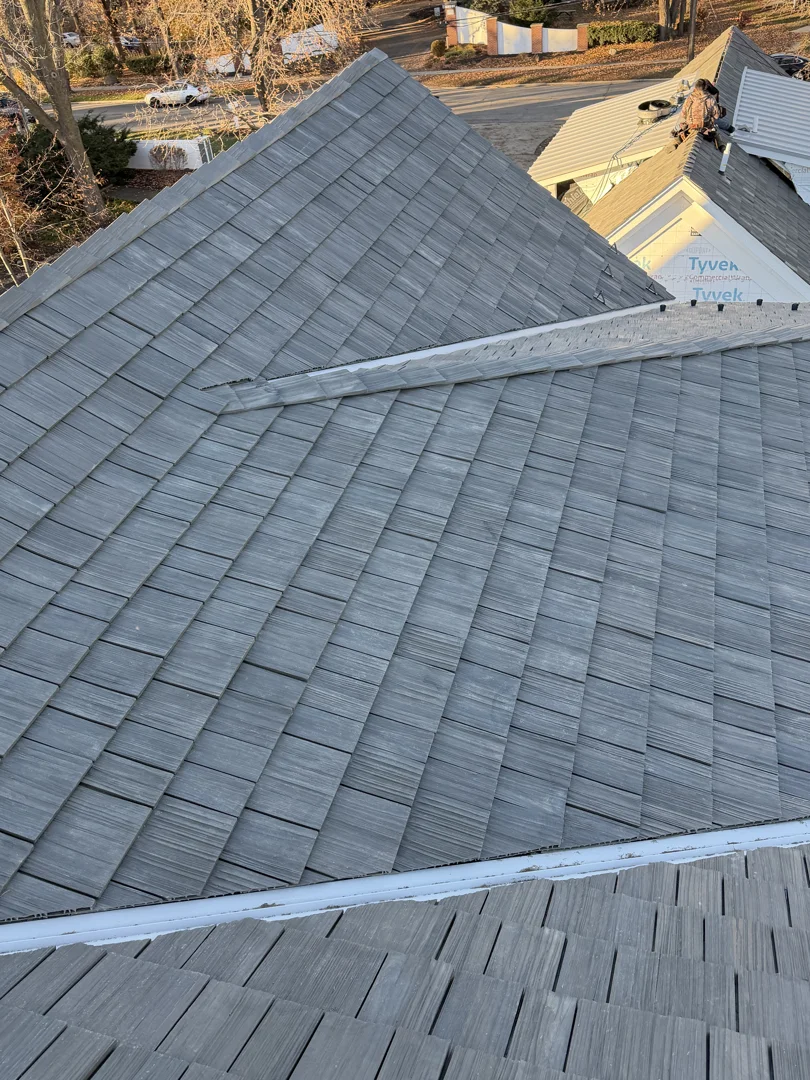
Asphalt shingles remain the absolute heavyweight champion of residential roofing in North America, and for good reason. They are highly versatile, widely available, and cost-effective. However, not all asphalt shingles are created equal. When evaluating them as high quality roofing materials, we generally divide them into three distinct tiers: standard three-tab, architectural (laminated), and premium multilayered shingles.
Understanding these tiers is crucial because your choice directly impacts your roof’s lifespan, wind resistance, and overall curb appeal. It also dictates your budget. In the roofing industry, materials are priced and sold by the “square” (a 100-square-foot area). Generally, the cost of materials represents about 55% of a roofing project’s total cost, while labor accounts for roughly 35%. If you are replacing an existing roof, removing the old layer of shingles can increase the total cost by about 25% due to the extra labor and disposal fees.
To learn more about the advantages of this material, check out our guide on the Top Benefits of Choosing Asphalt Shingle Roofing for Your Home. If you are planning a budget, you can read about the financial breakdown in The Real Price of Replacing Your Asphalt Shingle Roof.
Standard Three-Tab vs. Architectural Shingles
Standard three-tab shingles are the traditional, flat, single-layer shingles that have covered American homes for generations. They are composed of a fiberglass mat coated with asphalt and mineral granules, cut into three uniform tabs. While they are the most budget-friendly option—typically costing on the lower end of the $100 to $600 per square range—they have notable limitations in harsh climates.
For example, Owens Corning Supreme Shingles represent a highly reliable, entry-level three-tab option. They come with a 25-year limited warranty, a 10-year algae resistance warranty, and a 60-mph wind resistance rating. While this is excellent value for outbuildings or rental properties, a 60-mph wind limit might leave you feeling a bit anxious during a severe Wisconsin thunderstorm.
Architectural shingles (also known as dimensional or laminated shingles) represent a massive step up in quality. Instead of a single flat layer, architectural shingles feature two or more layers of asphalt laminated together. This multi-layered construction gives them a three-dimensional look that mimics natural wood shakes. More importantly, it makes them significantly heavier and stronger. Architectural shingles typically carry wind resistance ratings of 110 to 130 mph and can easily last 20 to 30 years with proper attic ventilation.
Premium Multilayered Shingles as High Quality Roofing Materials
At the absolute top of the asphalt spectrum sit premium multilayered shingles. These are luxury products designed for homeowners who want the ultimate in curb appeal, thickness, and storm protection without transitioning to metal or natural slate.
Two of the most prominent examples in this category are GAF Timberline UHDZ and CertainTeed Grand Manor:
- GAF Timberline UHDZ: Highlighted in the GAF Timberline UHDZ Brochure, these shingles feature GAF’s patent-pending Dual Shadow Line technology. This creates sunset-like shadows all day long, providing an ultra-dimensional wood-shake look that wraps your roofline in deep, rich texture. They also feature LayerLock technology for incredible nailing accuracy and a 30-year StainGuard Plus PRO limited warranty against blue-green algae discoloration.
- CertainTeed Grand Manor: If you want your home to look like an elegant estate, CertainTeed Grand Manor shingles are designed to replicate the depth and random tab design of natural slate. These heavy-duty, multi-layered shingles are engineered to withstand winds of up to 110 mph (upgradeable to 130 mph with proper accessories) and carry a UL 2218 Class 4 impact resistance rating—the highest rating available for hail protection.
Metal Roofing vs. High-End Asphalt Shingles
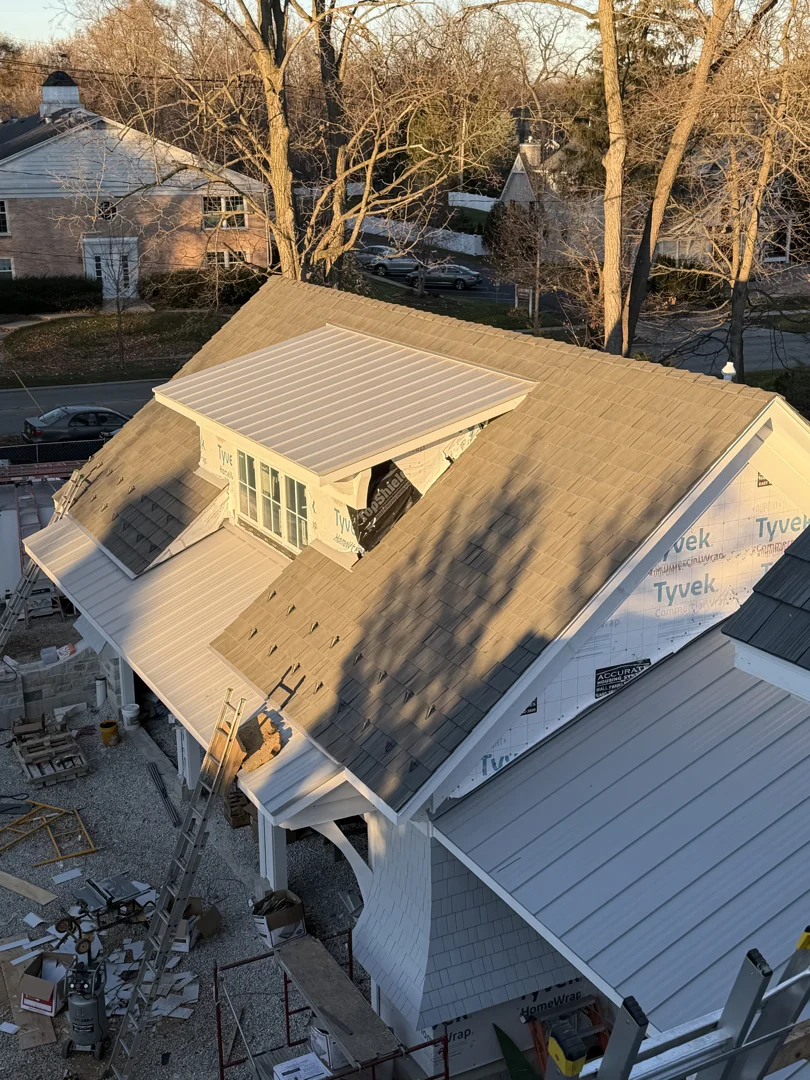
As homeowners seek longer-lasting investments, metal roofing has surged in popularity across Southeastern Wisconsin, particularly in areas like Lake Geneva, Delavan, and Elkhorn. But how does it hold up against high-end asphalt shingles?
While asphalt shingles typically last 20 to 30 years, a properly installed metal roof can easily last 50 to 100 years. However, this incredible longevity comes with a higher upfront price tag. Let’s look at how they compare side-by-side:
| Feature | High-End Asphalt Shingles | Metal Roofing (Standing Seam) |
|---|---|---|
| Average Lifespan | 20 to 40 years | 50 to 100 years |
| Material Cost | $400 – $600 per square | $1,000 – $3,500 per square |
| Wind Resistance | Up to 110–130 mph | Up to 140+ mph |
| Maintenance | Low (periodic inspections, moss removal) | Extremely Low (rinse occasionally, check seals) |
| Weight | Heavy (especially luxury shingles) | Lightweight |
| Snow Shedding | Moderate (holds snow, prone to ice dams) | Excellent (sheds snow quickly) |
If you are trying to decide which system fits your home, take a look at The Complete Guide to Metal Roofing and read about the What Are the Top Benefits of Installing a Metal Roof.
Longevity and Performance of Metal Systems
The performance of metal roofing in cold climates is unmatched. In cities like Jefferson, Fort Atkinson, and Lake Mills, heavy winter snow loads can put immense stress on a home’s structure. Metal roofing is incredibly lightweight—often weighing less than standard asphalt—which reduces the structural load on your rafters.
Furthermore, metal’s smooth surface and thermal conductivity allow it to shed snow quickly. This drastically minimizes the formation of dangerous ice dams, which are a leading cause of winter roof leaks in Wisconsin. Standing seam metal roofs feature concealed fasteners and interlocking panels, making them virtually impervious to wind uplift and torrential rains.
For the gold standard in metal protection, many homeowners choose Galvalume—a steel sheet coated with an alloy of aluminum and zinc that offers superior corrosion resistance. You can read more about why this is a premier option in Why Your Next Roof Should Be a Galvalume Standing Seam Masterpiece.
Cost-Benefit Analysis of Metal Shingles
If you love the longevity of metal but prefer the classic aesthetic of traditional roofing, metal shingles are an outstanding middle ground. These are metal panels stamped and painted to mimic the appearance of wood shakes, clay tiles, or natural slate.
While the upfront cost of metal shingles ($300 to $1,600 per square depending on the material and finish) is higher than high-end asphalt, they offer incredible long-term value. They will not rot, split, curl, or crack. They are also highly fire-resistant and can easily last 40 to 80 years with minimal maintenance. Over a 50-year period, a homeowner with an asphalt roof might have to replace it twice, whereas a metal shingle roof is a one-and-done investment.
Premium Alternatives: Synthetic Slate, Natural Slate, and Composite Roofing
For high-end homes in places like Burlington and Walworth, homeowners often look beyond asphalt and metal to premium historic aesthetics. Natural slate, synthetic slate, and composite roofing are the top contenders in this luxury class. However, choosing between them requires careful consideration of structural weight, local fire codes, and installation costs.
For a deeper look into specialty roofing installations, you can consult The Essential Guide to Tile Roofing Contractors Near Me.
Natural Slate vs. Synthetic Slate Weight and Cost
Natural slate is the undisputed “forever roof.” Composed of authentic stone quarried from the earth, a slate roof can easily last 100 to 150+ years. However, natural slate has two major drawbacks: weight and cost.
Slate is incredibly heavy, weighing anywhere from 800 to 1,500 pounds per square. Before you can even consider installing it, you must hire a structural engineer to verify that your home’s framing can support the load. Furthermore, slate costs between $2,350 and $3,200 per square just for materials, and installing it requires highly specialized, traditional craftsmanship.
Synthetic slate, on the other hand, is manufactured from advanced polymers, rubber, and plastics. It is molded to replicate the exact texture, chisel marks, and color variations of real stone. At $500 to $1,000 per square, synthetic slate is far more affordable. Because it is lightweight, it can be installed on almost any home without structural reinforcement, while still offering a 30-to-50-year lifespan and Class A fire resistance.
Choosing Composite Shingles as High Quality Roofing Materials
Composite shingles are engineered from a blend of recycled plastics, rubber, and cellulose fibers. They are designed to withstand extreme weather while offering the beautiful look of cedar shakes or slate tiles.
When choosing composite roofing, keep these key factors in mind:
- Weight Limits: Unlike natural materials, composites do not require structural reinforcement.
- Fire Ratings: Ensure the brand carries a Class A fire rating (the highest available).
- UV Resistance: Look for advanced polymers that won’t fade or crack under intense summer sunlight.
- Impact Resistance: Many composite shingles carry a UL 2218 Class 4 rating, making them highly resistant to hail.
Weather Resistance and Energy Efficiency in Modern Roofing
A roof shouldn’t just keep the rain out; it should also actively protect your home from severe weather and help lower your utility bills. Modern manufacturing has introduced incredible innovations in both impact resistance and energy-efficient “cool roof” technologies.
For a thorough breakdown of how your roof impacts your monthly energy bills, read about The Role of Roofing in Energy Efficiency.
Impact and Wind Resistance Ratings
When storms roll through Southeastern Wisconsin, hail and high winds can cause devastating damage. To protect your home, always look for shingles that have been tested and rated by independent laboratories:
- UL 2218 Class 4 Impact Rating: This is the industry’s highest rating for impact resistance. During testing, steel balls are dropped onto the shingle to simulate severe hail. Materials like CertainTeed Grand Manor or Landmark TL Solaris pass this test, which can often qualify you for significant discounts on your homeowner’s insurance.
- ASTM D7158 Class H Wind Rating: This indicates that the shingles have been tested to withstand wind speeds up to 150 mph.
Cool Roof Technology and Solaris Granules
Did you know that a standard dark roof can reach temperatures of up to 150°F on a hot summer afternoon? This heat transfers directly into your attic, forcing your air conditioner to work overtime.
Cool roof technology solves this by using highly reflective granules. For example, CertainTeed Landmark TL Solaris shingles utilize Solaris reflective granules to bounce solar radiation away from your home. According to the Cool Roof Rating Council (CRRC), a light-colored or reflective “cool roof” can reduce the energy needed to cool your home by up to 15%, keeping your home comfortable and your energy bills low.
The Crucial Role of System Components and Warranties
When we talk about high quality roofing materials, we aren’t just talking about the shingles you see from the street. A reliable roof is a complete, engineered system. If you omit or cheap out on the hidden components, even the most expensive shingles will fail prematurely.
Underlayment, Ventilation, and Flashing
To ensure your roof lasts its full intended lifespan, three critical components must work in perfect harmony:
- Synthetic Underlayment: Gone are the days of cheap felt paper. High-quality synthetic underlayment acts as a secondary water barrier directly on top of your roof deck, protecting your home if water manages to get past your shingles.
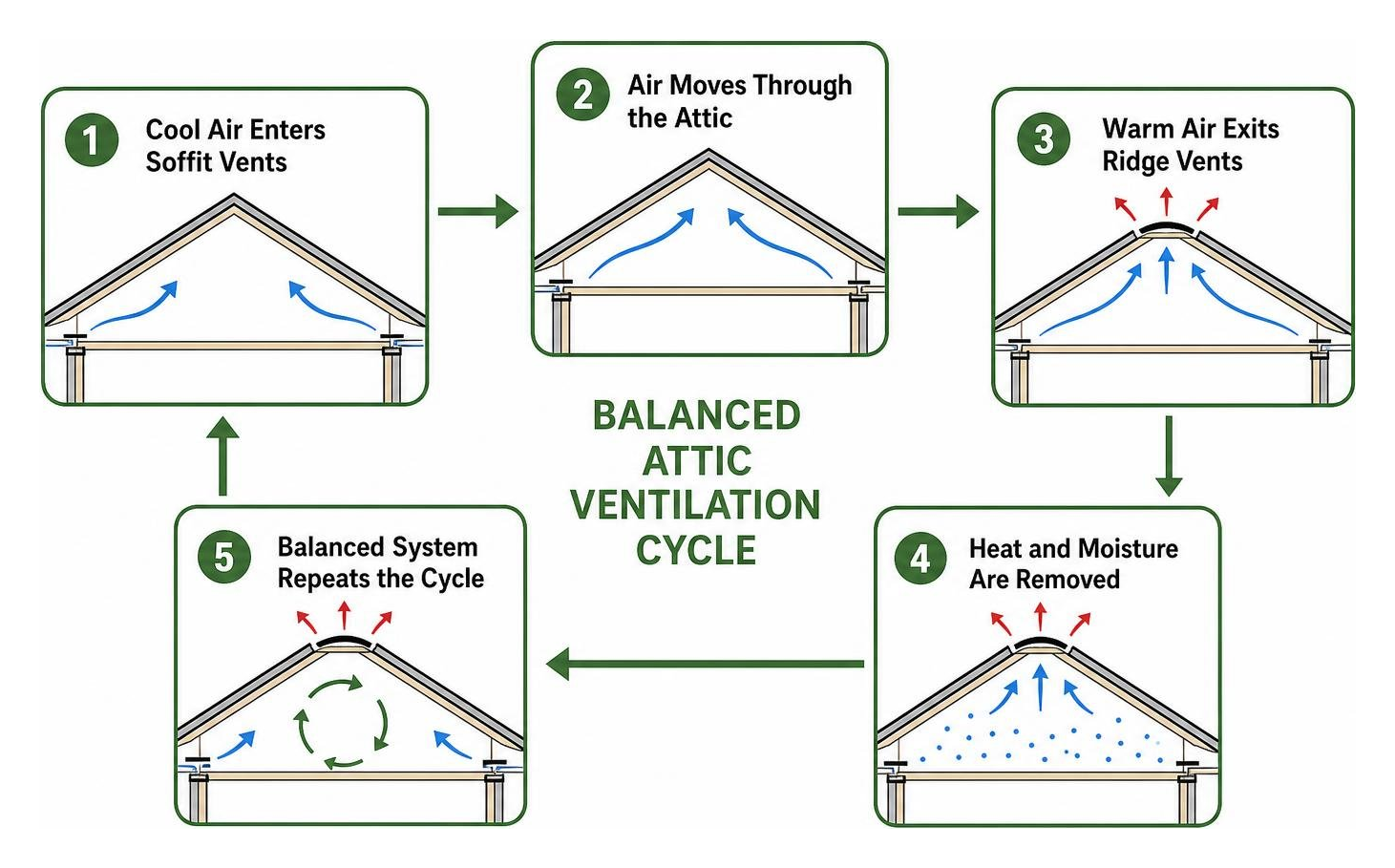
- Attic Ventilation: A balanced ventilation system consists of intake vents (usually in your soffits) and exhaust vents (along your ridge). Proper airflow prevents heat and moisture from building up in your attic during the summer and stops ice dams from forming in the winter. To understand how this works, read The Complete Guide to Roof Ventilation.
- Metal Flashing: Flashing is installed around roof penetrations (like chimneys, vents, and valleys) to direct water away from vulnerable seams. Choosing the right metal is essential to avoid rust and leaks; learn how in our guide on How to Choose the Best Metal Roof Flashings for Your Home.
Understanding Roofing Warranties and Fine Print
Roofing warranties can be notoriously confusing. When comparing manufacturers, look closely at the fine print:
- Non-Prorated Coverage: A “lifetime” warranty often only covers full replacement costs for the first 10 years (such as CertainTeed’s SureStart protection). After that, the manufacturer only reimburses the depreciated value of the shingles.
- Algae Resistance: Look for long-term algae warranties, like GAF’s 30-year StainGuard Plus PRO, which uses time-release copper technology to prevent black streaks.
- Transferability: If you plan to sell your home in Edgerton or Delavan, a transferable warranty is a massive selling point for potential buyers.
Frequently Asked Questions about Roofing Materials
How do I know if my roof needs to be replaced or just repaired?
While a simple leak over a porch might only require a quick repair, there are clear signs that your roof has reached the end of its lifespan:
- Curling or Cupping Shingles: This indicates the asphalt is drying out and losing its structural integrity.
- Granules in the Gutters: Excessive granule loss means your shingles no longer have UV protection.
- Age: If your asphalt roof is over 20 years old, it is highly vulnerable to storm damage and should be evaluated for replacement.
Is it safe to install new shingles over an existing layer of old shingles?
While building codes in many parts of Southeastern Wisconsin allow for up to two layers of asphalt shingles, we rarely recommend doing a “roof-over.”
First, installing new shingles over old ones prevents us from inspecting the underlying plywood sheathing for rot or water damage. Second, a second layer traps heat, which can cause your new shingles to degrade faster and may void the manufacturer’s warranty. Lastly, only standard three-tab shingles can typically be overlaid flatly; trying to overlay thick architectural shingles will result in an uneven, unsightly roofline.
How can I verify the quality of a roofing contractor before hiring them?
The best materials in the world will fail if they are installed incorrectly. To verify a contractor’s reliability:
- Check Credentials: Ensure they hold active liability insurance, workers’ compensation, and are licensed in the state of Wisconsin.
- Look for Manufacturer Certifications: Manufacturers only certify contractors who have a proven track record of quality installations. To learn why this matters, check out Why Your Next Roof Might Need a GAF Master Elite Roofer and our breakdown of Roofing Contractor Certifications.
- Verify Local Reputation: Ask for references of completed jobs right in your local neighborhood.
Conclusion
Choosing the right high quality roofing materials is one of the most significant investments you will ever make for your home. Whether you opt for the classic elegance of GAF Timberline UHDZ shingles, the incredible longevity of standing seam metal, or the historic beauty of synthetic slate, the key to a worry-free roof is combining superior products with expert, local installation.
At Smith Roofing & Exteriors, our experienced team is proud to serve homeowners across Fort Atkinson, Lake Mills, Jefferson, Burlington, Delavan, Elkhorn, Lake Geneva, Walworth, Edgerton, and throughout Southeastern Wisconsin. From our headquarters at N2603 Kutz Rd in Fort Atkinson, we provide transparent pricing, 24/7 emergency services, and top-tier craftsmanship.
Ready to protect your home with a roof that stands up to the toughest Wisconsin winters? Contact us today for a free, transparent estimate. And if you are looking to upgrade your entire exterior, don’t forget to explore our professional Smith Roofing & Exteriors Siding Services.