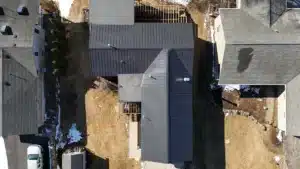
What Are the Most Common Causes of Roof Leaks and Damage?
Understanding the primary culprits behind roof leaks is the first step in effective roof repair. Homeowners in Fort Atkinson and Southeastern Wisconsin often encounter these issues, which can lead to costly repairs if ignored.
Identifying Leak Sources
Locating a leak is often the hardest part of roof repair because water travels along rafters and walls, appearing far from the entry point.
Interior Signs: Start your search indoors for:
- Water stains: Yellow or brown discoloration on ceilings or walls.
- Drips and Mold: Active dripping or musty smells in attics.
- Structural changes: Sagging ceilings or walls indicating prolonged exposure.
Exterior Signs: Use binoculars to inspect your roof from the ground for:
- Damaged shingles: Curled, cracked, or missing shingles.
- Flashing issues: Loose seals around chimneys, vents, and valleys.
- Clogged gutters: Debris causing water to back up under shingles.
- Daylight: Visible light through the roof deck when standing in the attic.
For a deeper dive into why even small leaks matter, read our article on Why You Should Never Ignore A Residential Roof Leak Even If It Is Small.
Common Causes of Shingle Damage
Asphalt shingles account for nearly 70 percent of domestic roofing. While durable, they succumb to:
- Wind and Hail: High winds lift shingles, while hail causes dents and granule loss, accelerating aging.
- Aging: Most shingles last 15-25 years before naturally curling or cracking.
- Poor Installation: Improper nailing or misaligned shingles cause early leaks.
- Animals and Ice: Critters can puncture roofs, while ice dams force water under shingles during Wisconsin winters.
- Clogged Gutters: These prevent drainage, allowing water to pool and seep into the structure.
Learn more in our guide to Common Causes That Lead To Emergency Roof Repair.
What Essential Safety Precautions Should You Take Before Any Roof Repair?
Prioritizing safety is non-negotiable. Personal safety overrides all other concerns when attempting temporary roof leak measures.
Personal Safety Gear and Practices
- Footwear: Use rubber-soled shoes for maximum traction.
- Protection: Wear heavy-duty gloves, safety glasses, and long sleeves.
- Awareness: Stay hydrated and be mindful of overhead power line locations.
- Clothing: Avoid loose clothing that can snag on equipment.
Ladder and Roof Safety
- Stable Setup: Place the ladder on level ground at a 75-degree angle.
- Transition: Extend the ladder 3 feet above the roofline and tie it off.
- Support: Never work alone. Always have someone nearby to assist.
- Conditions: Work only on dry, sunny days. Avoid wet, icy, or windy conditions.
- Harnesses: Use a safety harness and rope system for steep roofs. Always use proper anchoring.
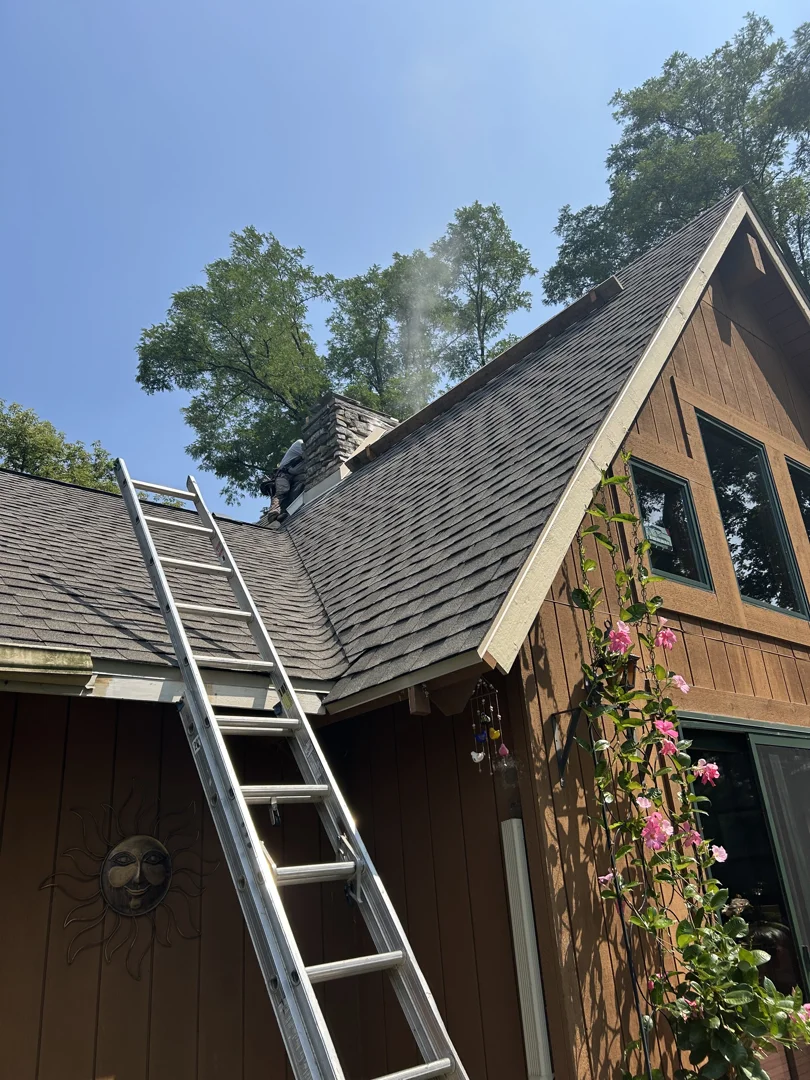
How Can You Effectively Repair Common Shingle Roof Damage?
Minor shingle damage can often be addressed with simple DIY techniques, saving time and money.
Essential Tools and Materials
Gather these before starting: pry bar, hammer, utility knife, caulk gun, asphalt-based roofing cement, 1-1/4 inch galvanized roofing nails, replacement shingles, and a putty knife.
Replacing Damaged or Missing Shingles
- Lift Shingles: Use a pry bar to gently lift the shingles above the damaged one.
- Remove Nails: Pry out the nails securing the damaged shingle.
- Slide Out: Remove the old shingle and clean the area of debris.
- Prepare New Shingle: Round the back corners with a utility knife for easier insertion.
- Install: Slide the new shingle into place, aligning it with the course below.
- Secure: Drive 4-6 nails through the top portion. Apply roofing cement over nail heads and under shingle edges to create a watertight seal.
For more details, see This Old House’s guide on How To Repair and Replace Roof Shingles for Your Home or our article Seal Your Shingles And Stop The Leak.
Repairing Curled, Cracked, or Torn Shingles
- Curled Shingles: On a warm day, flatten the shingle and apply roofing cement underneath. Weigh it down with a brick for 24 hours.
- Cracked/Torn Shingles: Clean the area, apply cement under the tear, and spread a thin layer over the top. Sprinkle loose granules onto the wet cement for UV protection.
- Small Holes: Fill with roofing cement, embed roofing mesh, and cover with another layer of cement and granules.

How Do You Fix Leaks Around Flashing, Chimneys, Vents, and Valleys?
Critical junctures like flashing and vents are highly susceptible to leaks. This Old House provides a guide on How to Repair a Roof Leak for these specific areas.
Flashing and Vent Repairs
- Step Flashing: Pry up adjacent shingles, remove rusted or bent pieces, and install new flashing. Secure with nails into the roof deck and seal with cement.
- Counter Flashing: Clean gaps and apply exterior-grade masonry sealant where the flashing meets the chimney mortar.
- Vent Boots: If the rubber boot is cracked, remove the old unit, apply cement to the base of a new boot, slide it over the pipe, and nail it down under the shingles.
Valley and Skylight Repairs
- Valleys: Clear debris regularly. Minor shingle cracks in valleys can be patched with cement, but significant damage often requires professional replacement of the valley lining.
- Skylights: Inspect the frame sealant and perimeter flashing. Clean and reapply UV-resistant sealant to any gaps. Persistent leaks may indicate a failed seal requiring professional attention.
Repairing flashing and sealing vents are actionable steps that significantly improve roof integrity.
When Is Professional Roof Repair or Full Replacement Necessary?
Knowing when to DIY and when to call a pro is vital. While minor fixes are manageable, systemic issues require expert intervention.
Temporary Emergency Measures
During a severe leak, protect your interior:
- Containment: Place buckets under drips and move valuables.
- Pressure Relief: Poke a small hole in bulging ceiling spots to drain water safely.
- Tarping: If safe, cover the exterior leak area with a heavy-duty tarp. Secure it with 2x4s nailed into the roof deck (not through the tarp). See How to Patch a Roof: Emergency Repair Guide 2026 for more.
Repair vs. Replacement: Making the Right Call
When Repair is Sufficient:
- Localized damage (a few shingles or minor flashing issues).
- The roof is less than 15 years old.
- Minor repairs typically cost $200-$500.
- Less than 25-30% of the roof is damaged.
When Replacement is Necessary:
- Damage exceeds 30% of the roof area.
- The roof is 20+ years old.
- Multiple leaks or a sagging roof deck.
- Widespread granule loss or visible light in the attic.
Read Roof Repair Vs Replacement Whats The Right Move for more guidance.
Common DIY Mistakes and When to Call a Pro
Avoid working on unsafe surfaces, using incorrect sealants (like silicone), or neglecting underlayment damage. DIY repairs carry risks and may not guarantee long-term results.
Call a professional for extensive damage, steep slopes, specialized materials (slate/metal), or if the leak source is elusive. Smith Roofing & Exteriors offers expert service in Fort Atkinson and Southeastern Wisconsin. Call Roof Repair Contractor To Fix Your Roof today.
How Can Regular Maintenance Prevent Future Roof Leaks and Extend Roof Life?
Proactive maintenance is the best way to extend your roof’s lifespan. Our guide on How Roof Maintenance Can Help Extend The Life Of Your Roof explains the benefits.
Seasonal Roof Maintenance Checklist
- Spring: Inspect for winter damage, clean gutters, check for moss/algae, and trim overhanging branches.
- Fall: Clear all leaves and debris to prevent ice dams. Ensure attic ventilation is unobstructed to regulate temperature.
The Value of Professional Roof Inspections
Annual professional inspections identify subtle signs of wear, such as granule loss or installation flaws, that homeowners might miss. Smith Roofing & Exteriors provides thorough assessments to help you avoid costly repairs. How Roof Inspections Can Save Homeowners Thousands In Repairs highlights the long-term savings.
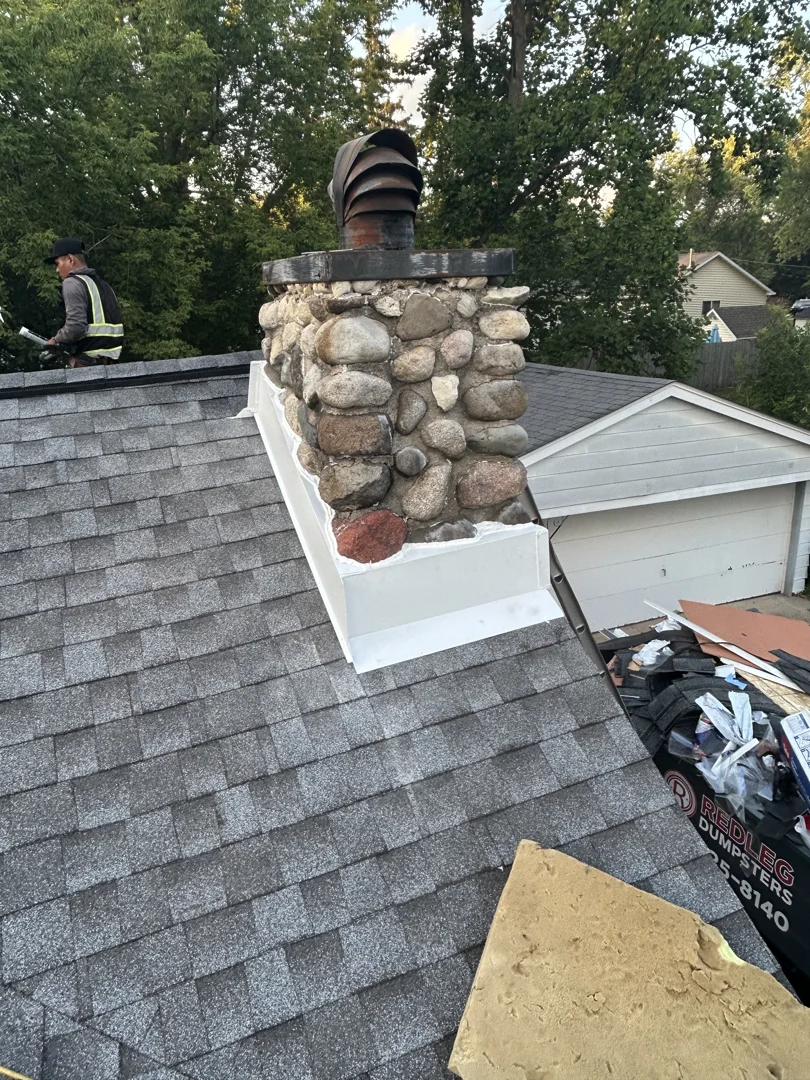
Extending Roof Lifespan
Address minor repairs promptly, maintain clean gutters, and ensure proper attic ventilation. Using high-quality materials for every fix ensures the longevity of your roof system. Why Regular Roof Maintenance Is Crucial For Homeowners is about protecting your most valuable asset.
Frequently Asked Questions about Roof Repair Techniques
Do you know what to do to fix a leaky roof?
Fixing a leak involves identifying the source via interior and exterior inspections, gathering tools like roofing cement and a pry bar, and applying specific techniques for shingles or flashing as detailed in this guide.
How much does roof repair cost?
Minor DIY repairs cost $50-$400 for materials. Professional minor repairs range from $200-$500, while complex flashing or valley work can exceed $1,500 depending on the materials and complexity.
How often should I check my roof for damage?
Inspect your roof at least twice a year—in spring and fall—and after any major storm. Regular checks help catch minor issues before they become expensive problems.
Conclusion
Mastering basic roof repair techniques can empower homeowners to protect their investment and extend their roof’s lifespan. By understanding common causes of damage, prioritizing safety, and knowing when to apply DIY fixes versus calling in professionals, you can effectively manage your roof’s health. For complex issues, extensive damage, or when in doubt, Smith Roofing & Exteriors is your trusted local partner in Fort Atkinson, WI, and throughout Southeastern Wisconsin, offering expert roof repair, maintenance, and emergency services. Don’t wait for a small leak to become a major problem – proactive care is key to a durable, leak-free roof.
Call Smith Roofing & Exteriors for a free estimate on your roofing needs today!