Understanding Henry 208 Wet Patch Roof Leak Repair
When a sudden downpour hits Fort Atkinson or Jefferson, waiting for the weather to clear isn’t an option if water is dripping into your attic. That is where henry 208 wet patch comes into play. Formulated using Styrene-Butadiene-Styrene (SBS) rubber-modified asphalt, this heavy-bodied mastic is engineered specifically to penetrate moisture barriers and cling aggressively to damp substrates.
What makes this product a go-to for emergency leak sealing is its technical performance under pressure. It meets the rigorous ASTM D3409 standard for 100% wet surface adhesion, meaning the compound actively displaces water to bond directly with the roofing substrate underneath. Additionally, it complies with ASTM D4586 for sag resistance, ensuring that even when applied thick, it won’t slide or blister under harsh summer heat.
Whether you are dealing with split seams on a low-slope roof, cracked flashings around a chimney, or rusted seam gaps in metal roof panels, applying Henry 208 Wet Patch Roof Leak Repair: Reliable, Weatherproof Protection for Roof Leaks provides immediate storm protection. When you can’t wait for sunny skies, choosing the best wet roof patch sealants keeps water out while you organize a permanent fix.
Comparing Henry 208 Wet Patch and Henry 208R Formulations
As you browse the aisle at your local hardware store in Southeastern WI, you might notice both standard Henry 208 and Henry 208R on the shelves. Understanding the difference helps ensure you choose the right container for your job.
The primary distinction lies in the concentration of SBS rubber elasticity and warranty coverage:
- Henry 208 (Standard): Excellent for basic emergency patching. It comes with a 7-year limited warranty and delivers dependable cold-weather flexibility and waterproofing.
- Henry 208R (Rubberized Premium): Features higher SBS rubber modification, granting superior resistance to thermal expansion and contraction. This added elasticity helps the patch expand and contract with seasonal freeze-thaw cycles without cracking. When installed using reinforcing fabric, 208R carries an upgraded 10-year limited warranty.
Compatible Roof Surfaces and Material Limitations
While henry 208 wet patch is a versatile emergency solution, it is not a universal chemical fit for every roofing material. Applying petroleum-based asphalt compounds to incompatible synthetic membranes can chemically degrade the roofing surface and worsen your leak.
Check your roofing material before application:
- Compatible Surfaces: Asphalt composition shingles, mineral surface cap sheets, SBS modified bitumen membranes, corrugated or flat metal panels, and masonry chimneys or parapets.
- Incompatible Surfaces: Single-ply EPDM rubber, PVC membrane roofing, wood shingles or shakes, and loose gravel surfaces (gravel must be scraped away down to the bare felt first). It may also yield unsatisfactory adhesion over certain APP torch-down membranes. Review the official Henry technical specifications prior to starting.
How to Apply Wet Patch Sealant in Severe Weather
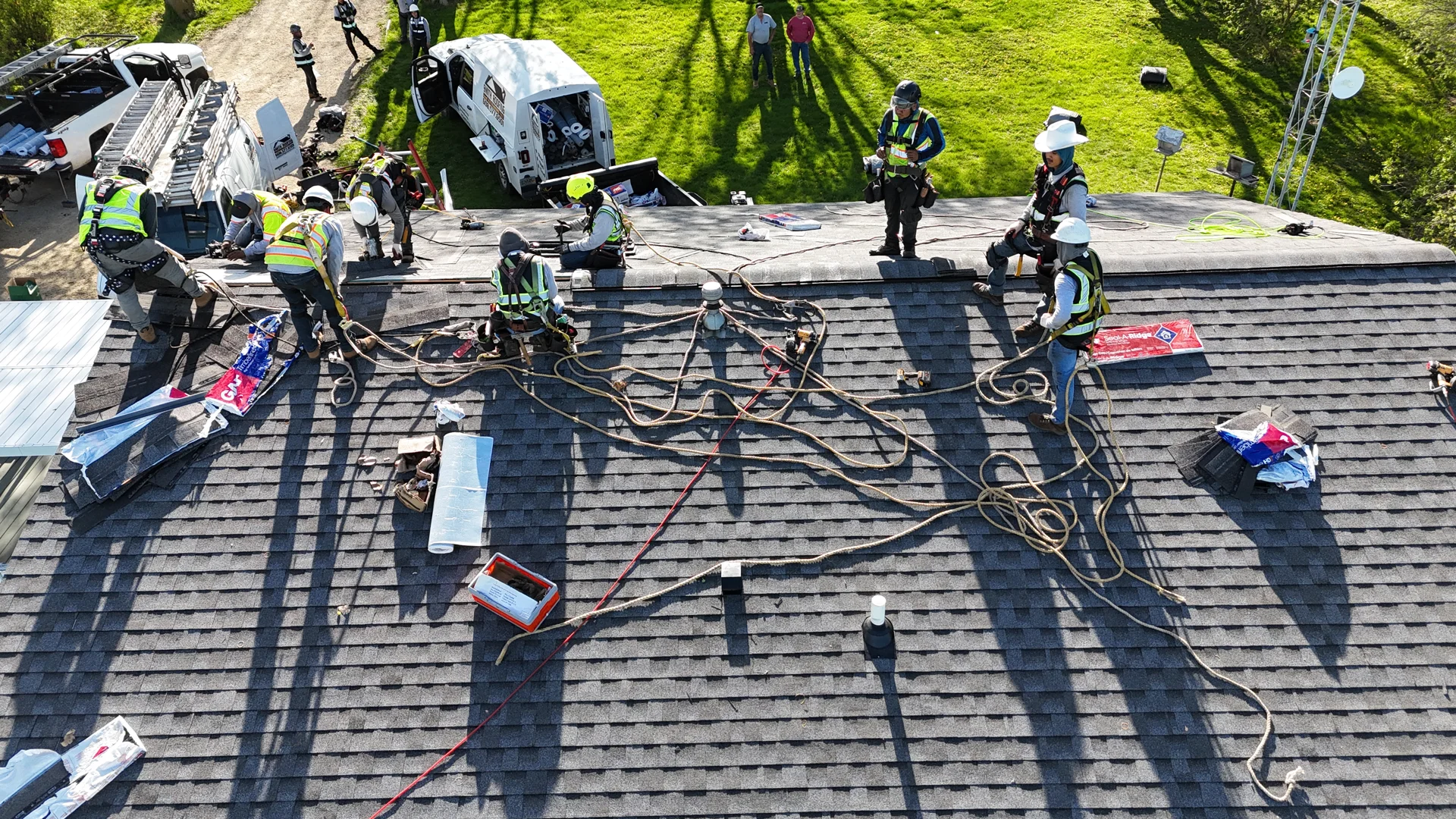
Working on a slippery, wet roof during a storm requires extreme caution. Safety comes first: always use secure fall protection, ensure your ladder is tied off, and wear heavy rubber gloves.
One of the greatest features of henry 208 wet patch is its vast application temperature range. It can be applied in ambient conditions ranging from 0°F all the way to 120°F (-18°C to 49°C). Even during freezing Wisconsin winter storms, the compound remains workable and spreads smoothly.
Before applying, take a quick moment for minimal surface preparation. Even under standing water, use a stiff brush or rag to wipe away mud, pine needles, algae, or loose rust scale. Removing loose surface debris ensures the sealant makes direct contact with the solid membrane beneath. For comprehensive repair tips, read about the easiest way to fix roof leaks on our blog.
Step-by-Step Application of Henry 208 Wet Patch for Emergency Repairs
Whether using a margin trowel, putty knife, or caulking gun cartridge, follow this simple process to secure your patch:
- Scoop or Shoot: Apply the heavy paste directly over the crack, tear, or seam gap.
- Spread Thick: Work the mastic into a continuous layer between 1/8 inch and 1/4 inch thick.
- Extend Beyond Damage: Spread the compound at least 2 to 4 inches beyond the boundaries of the damaged area on all sides.
- Feather the Edges: Taper the outer perimeter edges thin against the roof surface. Feathering prevents water running down the roof from catching under the patch edge.
- Clean Tools Promptly: Clean trowels and caulk guns immediately after use using mineral spirits, paint thinner, or specialized tool wipes. Clean your hands with a waterless hand cleaner.
For additional guidance on sealing shingles around penetrations, consult our guide on how to seal your shingles and stop the leak.
Using Reinforcement Fabric for Large Cracks and Splits
If you are dealing with a structural tear longer than 2 inches, a split seam wider than 1/4 inch, or a roof penetration joint subject to heavy movement, simply smearing asphalt cement over the gap won’t last long. Thermal movement will quickly pull the unreinforced patch apart.
To build a permanent structural patch, you must execute a 3-course patching technique using reinforcement mesh such as Henry 181 glass fabric or Henry 183 polyester fabric:
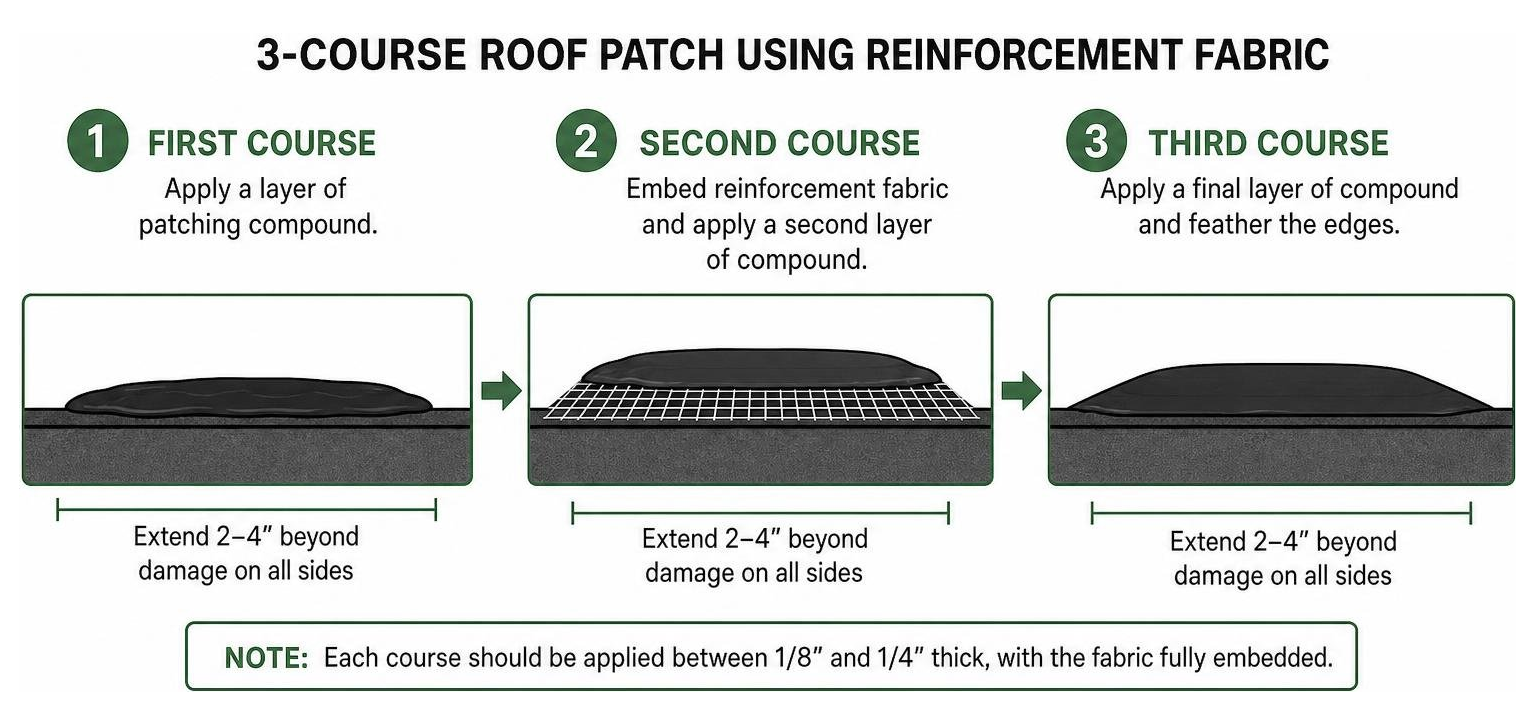
This 3-course method is also required by the manufacturer to validate the 10-year limited warranty on Henry 208 Wet Patch 0.90 gal pails.
Technical Specifications, Coverage Rates, and Cure Times
Planning your project requires knowing how much material to buy and how long it takes to fully cure. Henry 208 wet patch yields standard coverage based on application thickness:
| Container Size | Approx. Yield / Coverage Rate | Recommended Application Tool | Primary Use Case |
|---|---|---|---|
| 11 fl. oz. Cartridge | ~15 lineal feet (3/8″ bead) | Standard Caulking Gun | Small flashing seams, pipe boots, skylight edges |
| 29 fl. oz. Cartridge | ~39 lineal feet (3/8″ bead) | Commercial Caulk Gun | Extended gutter-adjacent seams, long flashing runs |
| 0.9 Gallon Pail | ~11 – 12.5 sq. ft. at 1/8″ thickness | Roofing Trowel / Putty Knife | Medium tears, chimney flashings, 3-course patches |
| 3.3 / 3.5 Gallon Pail | ~40 – 43 sq. ft. at 1/8″ thickness | Wide Notch Trowel | Multiple patch areas, commercial low-slope spots |
Cure Times, Topcoating, and Safety Specifications
Once applied, henry 208 wet patch stops water immediately, but its internal solvents take time to fully evaporate.
- Drying vs. Curing: The surface will skim over quickly, but full curing requires approximately 30 days of dry weather.
- Reflective Topcoating: If you plan to coat the repair with a reflective aluminum roof paint (like Henry 869), you must wait at least 30 days. Coating too early traps volatile solvents, causing the topcoat to blister or bleed through.
- VOC and Safety Limits: The product has a maximum VOC content of 300 g/l and a flash point of 105°F (40.6°C).
- Ventilation Notice: When working on commercial structures or home roofs with nearby attic vents, temporarily close roof air intake units during application to prevent solvent fumes from being drawn inside.
To learn more about preventing storm damage water intrusion, check out our guide on how to not let the drip drive you crazy with fast roof repair.
Comparing Rubberized Asphalt Patch to Market Sealants
Choosing the right emergency leak patch can be confusing with so many sealants sitting on retail shelves in Burlington or Lake Geneva. Here is how henry 208 wet patch compares to alternative options:
- vs. Silicone Sealants: Silicone creates an airtight, highly elastic seal, but it struggles to adhere to wet asphalt or dirty, submerged substrates during active rainfall. Silicone is also significantly more expensive per square foot.
- vs. Acrylic Elastomeric Coatings: Acrylic coatings are water-based. Applying an acrylic sealant in driving rain or standing water will cause it to wash away before it can cure. Acrylics require clean, bone-dry surfaces.
- vs. Standard Plastic Roof Cement: Traditional plastic roof cements lack SBS rubber modification. In extreme cold weather (common in Walworth or Edgerton, WI), standard cements harden, become brittle, and crack under roof movement. Rubberized wet patch retains elasticity in severe cold.
For flat roofs, compare options in our article on the best roof sealant for flat roofs, or read our guide on flex sealing your leaky roof.
Frequently Asked Questions About Wet Patch Repairs
Can wet patch roof sealant be applied directly underwater?
Yes! Henry 208 wet patch is specifically formulated with wet-adhesion chemicals that displace standing water. It meets ASTM D3409 standards for 100% wet surface adhesion, allowing you to trowel mastic directly into ponding water or active leak streams to stop water intrusion immediately.
How long must the patch cure before applying a reflective topcoat?
You must allow the patch to weather and cure for at least 30 days before applying solvent-sensitive topcoats like aluminum reflective coatings. This 30-day window allows volatile petroleum solvents to fully off-gas, preventing the topcoat from bubbling, peeling, or cracking.
When is reinforcing fabric required for roof repairs?
Reinforcing fabric (such as Henry 181 or 183) is required whenever a crack, split, or seam gap exceeds 1/4 inch in width or 2 inches in length. Incorporating fabric between two layers of cement creates a flexible membrane that resists roof movement and validates the manufacturer’s extended warranty.
Conclusion: Professional Repair and Long-Term Protection
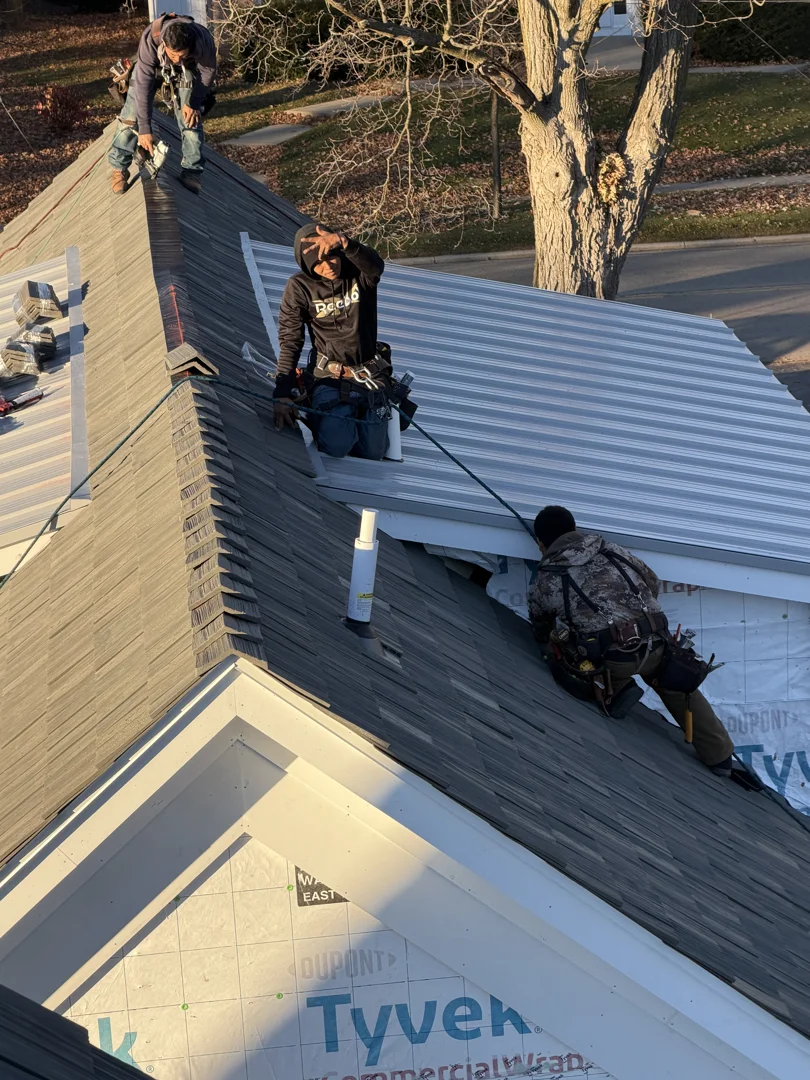
A tube or bucket of henry 208 wet patch belongs in every Wisconsin homeowner’s emergency toolkit. It is one of the most reliable, cost-effective ways to stop active water intrusion during driving rain or sudden winter thaws.
However, it is vital to remember its true purpose: wet patch is an emergency stopgap, not a permanent structural rebuild. If your roof suffered structural damage from storm winds, has rotted plywood decking underneath, or is reaching the end of its useful lifespan, a patch only buys you time.
At Smith Roofing & Exteriors, we bring years of hands-on experience to property owners across Fort Atkinson, Lake Mills, Delavan, Elkhorn, and surrounding Southeastern Wisconsin communities. We provide 24/7 emergency response, transparent pricing, and thorough storm damage assessments to turn temporary patches into lasting peace of mind.
If a recent downpour has left you worried about your roof’s integrity, explore our residential roof repair services or read about emergency roof repair contractors you can rely on. Contact our local team today to schedule your comprehensive roof inspection!