When Hail Hits Home: What Aluminum Siding Damage Really Looks Like

Hail damage to aluminum siding is more common — and more subtle — than most Wisconsin homeowners expect. Here’s a quick look at what to watch for:
Common signs of hail damage on aluminum siding:
- Small, circular dents or dimples across panel surfaces
- Chipped or scraped paint, especially where oxidation has been knocked away
- Spatter marks where the surface finish has been disturbed
- Distorted or slightly buckled panels on storm-facing elevations
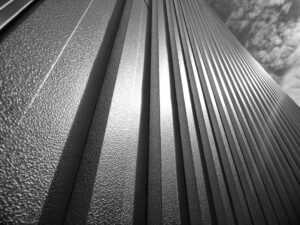
- Dents that are only visible in low-angle or raking light
The tricky part? Many of these dents are shallow and nearly invisible under normal daylight. Homeowners often walk right past them and assume their siding is fine.
Aluminum is one of the most hail-vulnerable siding materials available. Its light, malleable nature means even hailstones as small as three-quarters of an inch can leave a permanent mark. And because aluminum dents rather than cracks, the damage doesn’t always scream for attention — it whispers.
Unlike a broken window or a missing shingle, a field of shallow dents can quietly compromise your siding’s protective barrier. Water works its way in. Mold follows. What started as a cosmetic issue becomes a structural one.
I’m Matt Smith, owner of Smith Roofing & Exteriors, and I’ve inspected countless Wisconsin homes where hail damage to aluminum siding was hiding in plain sight — missed until the real problems showed up indoors. In this guide, I’ll walk you through exactly how to find it, document it, and deal with it the right way.
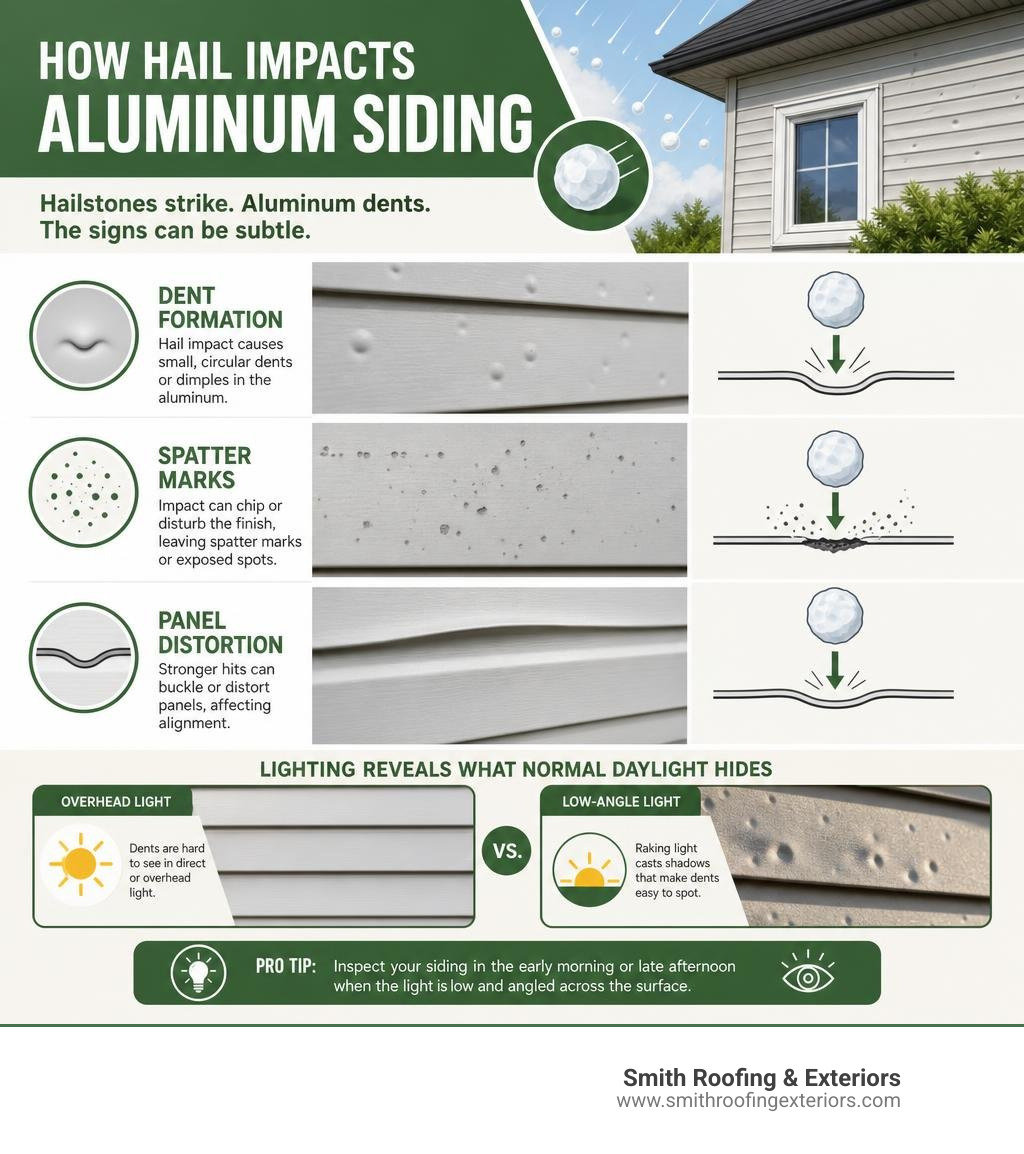
Simple guide to hail damage to aluminum siding:
Identifying Hail Damage to Aluminum Siding: Signs and Visual Cues
To the untrained eye, a home clad in aluminum siding might look completely unscathed after a spring storm in Southeastern WI. However, aluminum behaves very differently under stress than other siding materials. Because aluminum is a soft, highly malleable metal, it absorbs the kinetic energy of hailstone impacts by permanently deforming.
When hail strikes your home, it leaves behind several distinct physical signatures. The most common indicators include:
- Circular Dents and Dimples: These are the classic “pockmarks” left behind by direct hail hits. They range in size from tiny dings (caused by pea-sized hail) to deep, bowl-shaped craters caused by stones an inch or larger.
- Paint Chipping and Fractured Coatings: The high-velocity impact of hail can crack the baked-on enamel or paint finish of your aluminum siding. If the paint is old or weathered, the impact will often cause it to flake off entirely, exposing the bare metal underneath.
- Oxidation Removal (Spatter Marks): Over the years, aluminum siding naturally oxidizes, developing a chalky white film on its surface. When a hailstone strikes, it instantly knocks away this chalky layer. This leaves behind a clean, dark “spatter mark” that contrasts sharply with the faded paint around it. Over time, these clean spots will re-oxidize, but immediately after a storm, they are a dead giveaway.
- Distorted or Bowed Panels: When multiple hailstones strike a single panel, the combined deformation can warp the entire piece. This ruins the clean, straight lines of your home’s exterior and can even compromise the interlocking seams between the panels.
To help you understand how aluminum compares to other common siding materials, we’ve put together this quick comparison table:
| Siding Material | Hail Damage Threshold | Primary Damage Characteristics | Hidden Risks |
|---|---|---|---|
| Aluminum Siding | 0.75 inches | Circular dents, paint chipping, spatter marks, distortion | Trapped moisture behind dents, accelerated oxidation |
| Vinyl Siding | 1.00 inch | Cracking, splitting, clean-cut puncture holes | Water intrusion through hidden cracks, shattering in cold weather |
| Fiber Cement | 1.50 inches | Chipped edges, surface gouges, localized paint loss | Moisture absorption leading to delamination over time |
Understanding these differences is crucial because the recovery strategy for each material is unique. While vinyl might split and require immediate patching, aluminum siding requires a keen eye to spot the structural compromises hidden beneath those shallow dents.
Why Hail Damage to Aluminum Siding is Frequently Missed
It is incredibly common for homeowners in towns like Lake Mills, WI or Burlington, WI to walk the perimeter of their home after a severe storm, look up, and think, “Looks great! No damage here.” But “looks can be deceiving” is the golden rule of metal siding inspection.
First, hail damage on aluminum is frequently missed because the dents are often incredibly shallow. Unlike vinyl siding, which might shatter or show glaring holes, aluminum flexes and holds the dent. In flat, midday lighting—when the sun is directly overhead—there are no shadows to define the contours of these dents. The surface looks completely flat.
Second, storm dynamics dictate that hail rarely falls perfectly straight down. Strong winds drive hail at an angle, meaning typically only one or two elevations (sides) of your home will take the brunt of the impact. If you only check your front porch and the storm hit from the west, you will miss the extensive damage on the back of your house.
Furthermore, homeowners often focus all their attention on the roof. While your shingles might survive a storm with minimal granule loss, the vertical surfaces of your siding can be hammered by wind-driven hail. This is why it is so important to recognize the signs it’s time to call a siding replacement company before those minor dents turn into major structural headaches.
The Role of Lighting and Viewing Angles in Spotting Dents
If you want to find the true extent of hail damage to aluminum siding, you have to change how and when you look at it. Professional inspectors don’t just walk around in bright, overhead sunlight; they use specific environmental and physical techniques to make the damage pop.
- The Power of Low-Angle Sunlight: The absolute best times to inspect your siding are during the early morning or late afternoon. When the sun is low on the horizon, it casts long, dramatic shadows. A dent that is invisible at noon will suddenly cast a dark shadow inside its bowl, making it stand out clearly from several yards away.
- The Flashlight/Raking Light Technique: If you are inspecting your siding on an overcast day or in the shade, grab a high-powered LED flashlight. Hold the flashlight flat against the siding, shining the beam parallel to the panels. This “raking light” mimics the low-angle sun, casting immediate shadows over any surface imperfections or dimples.
- The Water Spray Technique: Here is a pro tip we use all the time: spray your siding down with a garden hose. Wet aluminum is highly reflective. The water creates a mirror-like finish that distorts around the edges of any dents, making even the shallowest impacts incredibly easy to spot and photograph.
- Tactile Inspection: Sometimes, your hands are better tools than your eyes. Gently run your palm along the horizontal panels in shaded areas. Your fingers will easily detect the subtle dips and waves of hail impacts that your eyes might slip right over.
By using these methods, you can ensure that you don’t leave thousands of dollars in legitimate property damage undocumented.
The Long-Term Risks of Leaving Siding Damage Unrepaired
It is tempting to view a few dents on your aluminum siding as a purely cosmetic issue. After all, if the metal isn’t rusted through, what’s the harm?
In reality, leaving hail-damaged aluminum siding unrepaired is a ticking clock for your home’s structural health. While aluminum itself does not rust, the systems keeping your home dry and insulated are highly vulnerable.
When hail dents aluminum siding, it alters the material’s physical shape. This prevents the panels from expanding and contracting properly during Wisconsin’s extreme temperature swings—from freezing winters in Delavan to humid summers in Lake Geneva. Over time, this restricted movement causes the siding to buckle, pull away from the wall, or warp, which breaks the tight, weather-resistant seal between panels.
Once those interlocking seams are compromised, wind-driven rain can easily slip behind the metal cladding. This trapped moisture has nowhere to go. Itaks into your home’s sheathing, leading to:
- Mold and Mildew Growth: Dark, damp spaces behind siding are perfect breeding grounds for mold, which can eventually migrate into your indoor air supply.
- Wood Rot: The wooden studs and plywood sheathing that make up your home’s framing will begin to rot, severely compromising your home’s structural integrity.
- Insulation Degradation: Wet insulation loses its thermal resistance, leading to drafty rooms and spiking energy bills.
If you want to explore how to address these issues before they escalate, read up on the 4 Great Benefits of Replacing Outdated Siding to see why upgrading your home’s exterior is a smart financial move.
Navigating the Insurance Claim Process for Siding Damage
Filing an insurance claim for storm damage can feel like trying to solve a puzzle in a foreign language. Siding claims are notoriously complex because insurance companies view vertical exterior surfaces differently than roofs. However, with the right knowledge and documentation, you can confidently navigate this process.
How Insurance Companies Assess Hail Damage to Aluminum Siding
When an insurance adjuster visits your property, they aren’t just looking for general ugliness. They follow strict, standardized guidelines to determine whether the damage is “functional” or “cosmetic.”
To do this, adjusters typically use the 10×10 Test Square Method. They will select a 10-foot-by-10-foot section on each affected side of your home. To qualify for a full panel replacement under most standard policies, they look for a specific density of damage — usually 8 or more distinct hail impacts within that single square.
They will also evaluate:
- Cosmetic vs. Functional Damage: Some policies contain exclusions for purely “cosmetic” damage (dents that don’t cause leaks). However, because aluminum dents restrict thermal movement and can break panel locks, we often successfully argue that these dents constitute functional damage.
- Actual Cash Value (ACV) vs. Replacement Cost Value (RCV): If your policy is ACV, the insurer will subtract depreciation based on the age of your siding (which, if it’s original 1970s aluminum, could be substantial). An RCV policy, on the other hand, covers the actual cost to replace the damaged material with new siding of like kind and quality in today’s market.
Immediate Steps to Document Damage After a Storm
The first 48 hours after a severe hailstorm are critical for building a strong insurance claim. Do not wait for an adjuster to show up; start gathering your own evidence immediately.
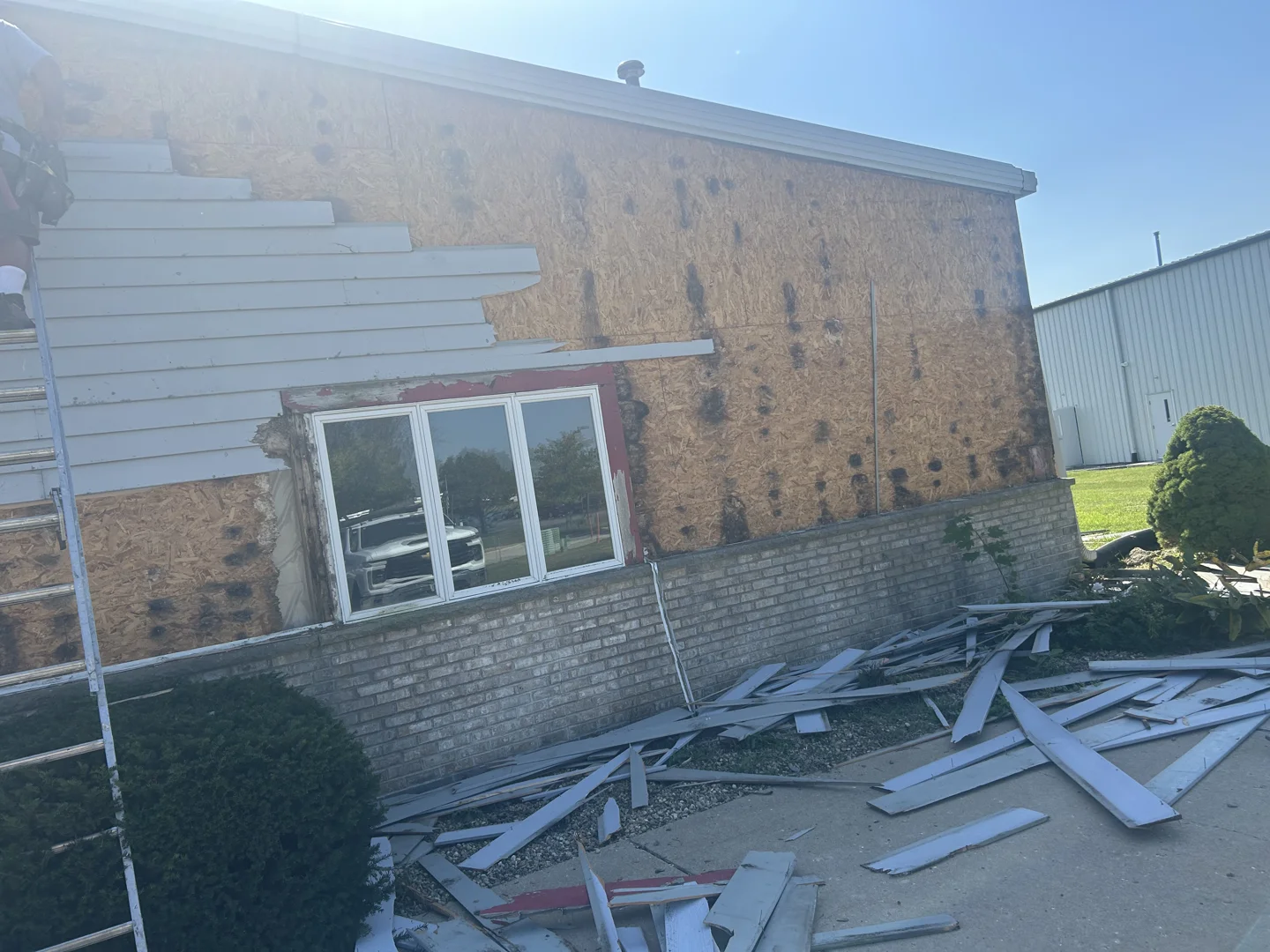
Follow this checklist to document the storm damage:
- Take Photos from Multiple Angles: Capture wide shots of the entire house to show which sides were hit, and then take close-up photos of individual dents.
- Use Scale Markers: Place a coin (like a quarter) or a ruler next to the dents in your photos so the adjuster can easily see the size of the hailstones that caused the damage.
- Document the Timeline: Note the exact date and time of the storm. Save local weather reports or radar screenshots from sources like the National Oceanic and Atmospheric Administration (NOAA) showing hail in your specific neighborhood.
- Inspect “Proxy Indicators”: Photograph damage to other outdoor items, such as dented aluminum gutters, damaged window trim, split window screens, or bruised outdoor light fixtures. If your aluminum dryer vent is dented, your siding is almost certainly damaged too.
- Check for Water Intrusion: Look inside your attic or crawlspaces for any immediate signs of water leaks within 72 hours of the storm.
Why Siding Claims Become Disputed or Underpaid
It is a frustrating reality: many siding claims end up underpaid or outright disputed. Insurance companies are businesses, and their primary goal is to limit payouts.
One of the most common tactics is the “partial repair” offer. An adjuster might agree that ten panels on your west-facing wall are damaged and offer to pay only to replace those specific ten panels. While this sounds reasonable on paper, it ignores the physical reality of weathered siding.
Another hurdle is the “wear and tear” or “pre-existing condition” exclusion. Adjusters may claim that the dents on your siding were caused by rocks thrown by a lawnmower, neighborhood kids playing baseball, or general aging, rather than the recent storm.
This is why having local expertise on your side is so valuable. Homeowners facing these disputes often find success by working with specialized local teams who understand regional building codes and claim standards. By partnering with a professional who knows how to document storm damage properly, you can ensure your interests are represented during the adjustment process.
The Challenge of Matching Discontinued Aluminum Siding
The single biggest battleground in aluminum siding insurance claims is the matching issue.
Aluminum siding was incredibly popular from the 1940s to the 1970s, but it has largely been phased out in modern residential construction in favor of vinyl and fiber cement. If your home has older aluminum siding, there is a very high probability that your exact profile, lock style, and color are completely discontinued.
Even if a similar profile can be found, years of exposure to Wisconsin sunlight will have faded your original siding. Putting brand-new, factory-painted aluminum panels next to 30-year-old weathered siding will create a highly visible, mismatched stripe pattern on your home. This severely diminishes your property’s curb appeal and resale value.
Depending on your policy language and local regulations, you may be entitled to a full siding replacement under a “matching endorsement” or “line of sight” rule. If the insurer cannot find a reasonable match for your damaged siding, they may be legally required to pay to reside the entire house to maintain a uniform appearance.
To understand the financial implications of these material choices, take a look at our detailed metal siding price guide to compare costs and replacement options.
How to Strengthen Your Claim and Find Professional Solutions
Here is how you can strengthen your position and get the settlement you deserve:
- Get an Independent Professional Inspection: Before you even call your insurance company, have a reputable local contractor inspect the damage. We can provide a detailed, itemized estimate that you can submit alongside your claim, giving you immediate leverage.
- Understand Your Policy: Look closely at your homeowner’s insurance policy. Check if you have a “matching endorsement” or “replacement cost coverage” rather than actual cash value.
- Consider a Public Adjuster: If your insurance company is refusing to cover a full replacement despite clear matching issues, a public adjuster can represent you to negotiate a fair settlement.
- Work with Certified Installers: When it comes time to perform the repairs or replacement, make sure you hire experienced professionals. If you are looking to upgrade your home’s exterior to a more durable, modern material, check out our list of the top aluminum siding installers to upgrade your home.
For homeowners in Walworth, Delavan, or Lake Geneva, finding local support is easy. Working with a trusted local contractor ensures you have the guidance needed to successfully resolve your claim and restore your home.
Frequently Asked Questions about Siding Hail Damage
Can you paint over small dents in aluminum siding?
While you can technically paint over a small dent, it is purely a cosmetic cover-up. The physical indentation will remain visible, especially when the sun hits it at an angle.
For a truly seamless, professional finish, you must first pull the dent back to flush using a specialized self-tapping screw method, fill any remaining imperfections with a high-quality two-part auto-body filler, sand the surface completely smooth, and then apply an aluminum-formulated primer before painting. If you have extensive denting, painting over them without repairing the metal will only draw more attention to the uneven surface.
How long does aluminum siding typically last?
With proper care and maintenance, aluminum siding can easily last 25 to 40 years. Its incredible longevity comes from its natural resistance to rot, insect damage, and rust.
However, to reach that 40-year mark, it requires regular maintenance. This includes washing it down annually to remove dirt and mildew, repainting it every 5 to 10 years to protect the factory finish, and making prompt repairs to any wind or hail damage to prevent water from slipping behind the metal panels.
Will filing a hail damage claim raise my insurance rates?
In most cases, a single hail damage claim will not cause your insurance rates to spike. Insurance companies generally view hailstorms as “Acts of God” — sudden, unavoidable natural events that are completely out of the homeowner’s control.
However, your premiums are based on regional risk. If your entire neighborhood or zip code in Southeastern WI is hit by a massive storm, rates across your area may rise at renewal time regardless of whether you personally file a claim. It is always best to consult your specific policy terms or talk to a local agent to understand your coverage.
Conclusion
At Smith Roofing & Exteriors, we know that your home is your most valuable asset. When Wisconsin weather turns violent, you shouldn’t have to navigate the aftermath alone. Based right here in Fort Atkinson, WI, our experienced local team is dedicated to protecting families across Lake Mills, Jefferson, Burlington, Delavan, Elkhorn, Walworth, Edgerton, and the surrounding areas.
We pride ourselves on transparent pricing, superior materials, and a commitment to helping our neighbors restore their homes to pristine condition. Whether you need a quick inspection after a storm or are ready to upgrade your home’s curb appeal, we are here to help.
Ready to find out if your siding has hidden storm damage? Contact us today to schedule an honest, professional assessment, or explore our Smith Roofing & Exteriors siding services to see how we can transform and protect your home.