What Is Metal Panel Roofing? (And Is It Right for Your Home?)
Metal panel roofing is one of the most durable, long-lasting, and energy-efficient roofing systems available today — and it’s the second most popular roofing material in the U.S. for good reason.
Quick answer for homeowners comparing options:
| Feature | Metal Panel Roofing |
|---|---|
| Lifespan | 40–70 years |
| Energy efficiency | Reflects up to 84% of solar energy |
| Maintenance | Minimal — occasional debris removal |
| Recyclability | 100% recyclable |
| Installed cost | $7–$16 per sq ft depending on type |
| Best for | Durability, harsh weather, long-term value |
If you’re dealing with Wisconsin’s brutal winters, ice buildup, or storm damage, metal panels are built to handle it. They shed snow, resist high winds, and outlast asphalt shingles by decades — often requiring little more than a periodic inspection.
But not all metal panel systems are the same. Corrugated panels, standing seam, R-panels, and insulated systems each serve different needs and budgets. This guide breaks down everything you need to know to make the right call for your home or building.
I’m Matt Smith, owner of Smith Roofing & Exteriors, and I’ve helped homeowners across rural Wisconsin navigate the decision to invest in metal panel roofing — from choosing the right gauge and profile to understanding long-term value. Let’s dig in.
Essential metal panel roofing terms:
Understanding Metal Panel Roofing: Manufacturing and Materials
When we talk about metal panel roofing, we aren’t just talking about a flat sheet of tin. Modern manufacturing is a high-tech process designed to ensure that your roof doesn’t just look good, but stays rust-free and structurally sound for over half a century.
The primary way these panels are made is through a process called roll-forming. Large coils of metal—usually steel or aluminum—are fed through a series of rollers that gradually bend the metal into specific shapes or profiles. This gives the panels their strength; a flat sheet of metal would flail in the wind, but once you add those ribs or seams, it becomes incredibly rigid.
One of the coolest advancements we see in 2026 is heat-forming. Some manufacturers, like those producing the ABM Panel, use heat during the forming process. This prevents “microscopic cracking” in the paint at the bends. If you bend cold metal too sharply, the paint can stretch and develop tiny cracks you can’t even see, which eventually lead to rust. Heat-forming keeps that protective coating intact.
Material Gauges and Coatings
In our neck of the woods, from Jefferson to Elkhorn, you’ll mostly see 29-gauge and 26-gauge steel. It’s a bit counterintuitive, but the lower the number, the thicker the metal.
- 26-gauge steel is our “heavy-duty” residential standard. It’s thicker and stronger than the 29-gauge often found at big-box stores.
- Galvalume coating is the industry gold standard. It’s an alloy of aluminum and zinc (often AZ50 or AZ55) that provides superior corrosion resistance.
- Stone-coated granules: For those who want the strength of metal but the look of traditional shingles, some panels are coated with stone granules. This also helps with solar reflectance using infrared pigments.
Whether you are looking for Quality Metal Roofing: Residential Commercial Metal Roofing Siding or a specific historic look like A Victorian Restoration Swita Metal Roofing WI & Isaiah Industries, the manufacturing quality is what determines if that roof lasts 40 years or 70 years.
Popular Types of Metal Panel Roofing Systems
Choosing a metal panel roofing system is a bit like choosing a car; you have to decide if you need a rugged work truck or a sleek luxury sedan. The “profile” (the shape of the panel) determines both the look and how the roof is installed.

Standing Seam Metal Panel Roofing
This is the “luxury sedan” of the roofing world. Standing seam systems feature vertical ribs with a flat space in between. The magic here is in the fasteners. These systems use concealed clips and fasteners, meaning there are zero holes drilled through the face of the panel.
There are two main ways these lock together:
- Snap-lock: The panels literally snap together over a clip.
- Mechanical Seams: A specialized tool is used to “fold” the metal seams together, creating a completely water-tight, interlocking bond.
Because the fasteners are hidden, they aren’t exposed to the Wisconsin snow and sun, which significantly reduces the chance of leaks over time. If you want to dive deeper into why this is often the best choice for Fort Atkinson homes, check out The Complete Guide to Metal Roofing.
Corrugated and Exposed Fastener Metal Panel Roofing
If standing seam is the luxury sedan, corrugated panels are the reliable work truck. These are “exposed fastener” systems, meaning the screws go directly through the metal into the wood below.
- Tuff-Rib and Classic Rib: These are incredibly popular for residential and agricultural buildings. They usually feature a 3/4-inch rib height and an anti-siphon groove to keep water from wicking into the laps.
- Box Rib: These have a more industrial, “boxy” look and offer great load-bearing strength.
While these are more budget-friendly (costing about $7 to $12 per square foot installed), they do require a bit more maintenance. Those rubber washers on the screws will eventually need to be checked. Still, for many homeowners, the cost-to-durability ratio makes it worth investing in metal roofing for your home.
R-Panel and Insulated Systems
For commercial buildings or very low-sloped roofs (down to a 1:12 pitch), we often look at R-Panels (or PBR-panels). These have higher ribs (1.25 inches) spaced further apart, allowing them to span longer distances between structural supports.
We also see a rise in Insulated Metal Panels (IMPs). These are “sandwiches” of metal with a PIR or PUR foam core. They provide an all-in-one solution for roofing and insulation, offering R-values as high as 52.5 for a 6-inch thick panel. For businesses in Southeastern Wisconsin looking for expert solutions for commercial roofing, these are game-changers for energy bills.
Metal vs. Traditional Materials: A Performance Comparison
We often get asked, “Is metal really that much better than shingles?” In our experience at Smith Roofing & Exteriors, the data speaks for itself.
| Metric | Metal Panels | Asphalt Shingles | Clay Tiles |
|---|---|---|---|
| Lifespan | 40–70 Years | 12–20 Years | 50+ Years |
| Weight | 1.0–1.5 lbs/sq ft | 2.5–4.5 lbs/sq ft | 8.0–12.0 lbs/sq ft |
| Maintenance | Low | Moderate | High |
| Moisture Absorption | 0% | Variable | Up to 15% |
| Fire Rating | Class A | Class A | Class A |
Why the Lifespan Gap Matters
Traditional asphalt shingles are petroleum-based. The sun’s UV rays literally bake the oils out of them, causing them to become brittle and lose granules. In harsh weather, many asphalt roofs in Fort Atkinson need replacement every 12 years. Metal panel roofing, conversely, is inert. It doesn’t “age” the same way.
Weight and Moisture
Clay tiles are beautiful, but they are heavy. They can also absorb up to 15% of their weight in moisture. When that moisture freezes during a Walworth County winter, it can crack the tiles. Metal is non-porous. It doesn’t absorb water, so it doesn’t suffer from freeze-thaw damage. Plus, its light weight means you often don’t need to reinforce your home’s structure to install it.
If you are curious about the full list of perks, we’ve outlined the top benefits of installing a metal roof on our blog.
Cost Factors and Installation Essentials
Let’s talk numbers. We know that the upfront cost of metal panel roofing can be a bit of a shock compared to shingles, but it’s important to look at the “cost per year.”
Material Costs
- Steel Gauges: 24-gauge steel typically costs 25% to 40% more than 26-gauge. It’s thicker and offers better dent resistance against hail.
- Paint Systems: This is a big one. You’ll choose between SMP (Silicone Modified Polyester) and PVDF (often called Kynar 500). PVDF panels cost 30% to 40% more but offer much better color retention and a longer warranty against fading.
- Exotic Metals: If you want copper or zinc, expect to pay $13 to $25 per square foot just for materials.
The Installation Factor
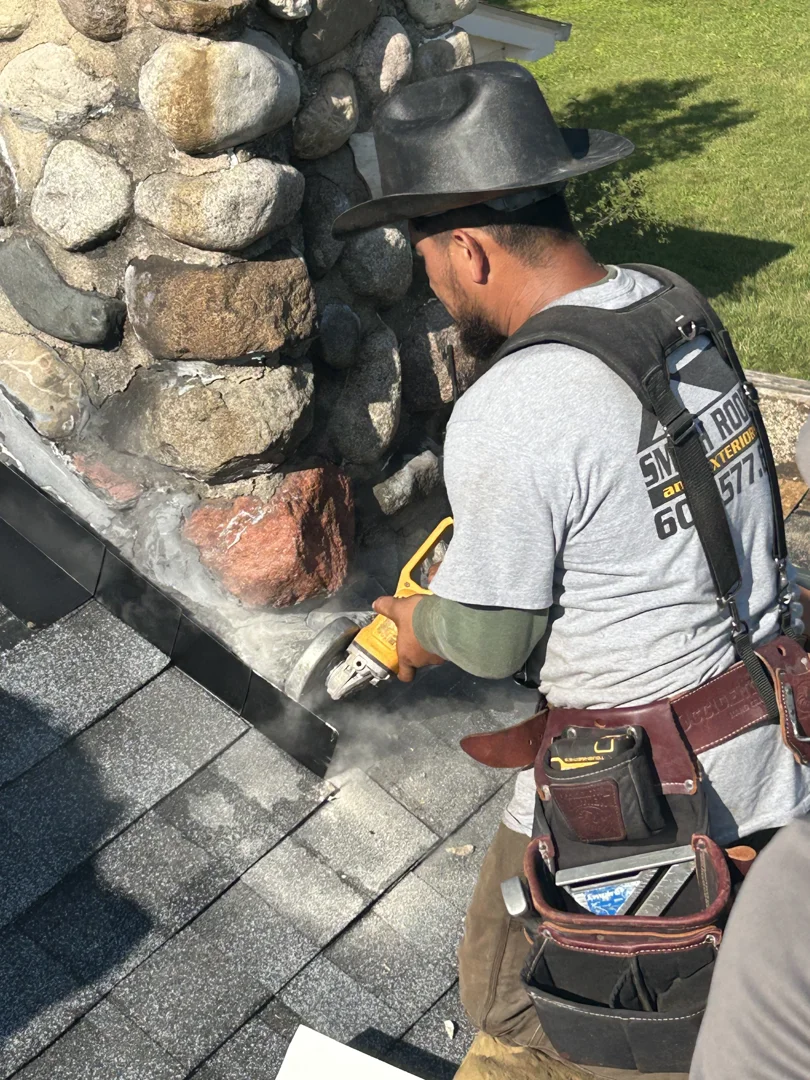
Installation labor makes up roughly 60% to 70% of the total cost of a metal roof. Why? Because it requires specialized skills. You can’t just “nail and go.” We use synthetic underlayment (which is far superior to old-school #15 felt), custom-cut trim like J-channels and corner trim, and specialized sealants like butyl tape.
Choosing the right system also depends on your building type. For example, choosing the right commercial roofing system involves looking at whether you have a flat or sloped roof, which we discuss in our guide on flat vs. sloped commercial roofing.
The Long-Term Benefits of Metal Panel Roofing
Beyond just looking sharp, metal panel roofing offers some serious “green” and “financial” benefits that pay dividends over time.
- Energy Efficiency: Metal roofs are “cool roofs.” They can reflect as much as 84% of the sun’s energy away from your home. This can lead to a significant reduction in cooling costs during those humid Wisconsin summers.
- Sustainability: Metal is 100% recyclable at the end of its life. Meanwhile, asphalt shingles contribute over 10 million tons of waste to landfills annually.
- Weather Resilience: Metal panels have been approved for use in high-velocity hurricane zones (HVHZs) because of their superior wind resistance. If they can handle a Florida hurricane, they can certainly handle a Southeastern Wisconsin windstorm.
- Snow and Ice Shedding: This is a huge benefit for us in Fort Atkinson and Edgerton. The smooth surface of the metal allows snow and ice to slide off before it can build up and cause “ice damming,” which is a leading cause of roof leaks in the winter.
- Resale Value: Homes with metal roofs often see a notable increase in market appeal and resale value because the new buyer knows they won’t have to replace the roof for another 40 years.
Frequently Asked Questions about Metal Roofing
How long do metal roofing panels last compared to shingles?
On average, metal panel roofing lasts between 40 to 70 years. In contrast, traditional asphalt shingles often need to be replaced every 12 to 20 years, especially in climates with heavy snow and fluctuating temperatures like ours in Wisconsin.
Are metal roofs noisy during heavy rain or hail?
This is one of the biggest myths we hear! When properly installed over a solid substrate with high-quality underlayment and insulation, metal roofs are no noisier than any other roofing material. The attic space and insulation act as a sound barrier, ensuring a quiet interior even during a summer downpour.
What maintenance is required for a metal panel roof?
Very little! We recommend a quick “check-up” once or twice a year. Clear off any large branches or piles of leaves that might hold moisture. Check your gutters to ensure water is flowing freely. For exposed fastener roofs, we suggest checking the screws every few years to ensure the rubber washers are still in good shape.
Conclusion
Investing in metal panel roofing is a move that protects your home, your wallet, and the environment. Whether you are in Fort Atkinson, Lake Geneva, or anywhere in between, the peace of mind that comes with a 50-year roof is hard to beat.
At Smith Roofing & Exteriors, we take pride in being your local specialists. We offer:
- Experienced Local Teams: We know the specific challenges of Southeastern Wisconsin weather.
- Superior Materials: We don’t cut corners on gauges or paint systems.
- Transparent Pricing: You’ll know exactly what you’re paying for.
- 24/7 Emergency Services: Because storms don’t wait for business hours.
Ready to see how a metal roof can transform your property? Discover the best metal roofing solutions for your property or give us a call at our Fort Atkinson office. We’re here to help you build a roof that lasts a lifetime.