Design Aesthetics and Styles for a Black Cedar Shake House
Choosing a dark palette for your siding elevates standard residential architecture into a bold design statement. A black cedar shake house achieves a rich, tactile surface where sunlight creates shifting shadows across the split wood grain throughout the day. This dynamic interaction between light and deep shadow prevents black from looking flat or imposing.
Dark home exteriors fit naturally into several distinct architectural styles:
- Modern Craftsman: Combining black split shakes with sharp structural lines, exposed timber rafters, and geometric window layouts updates traditional Craftsman character with modern edge.
- Dark Cottagecore & Goth Farmhouse: Traditional cottage and farmhouse silhouettes gain dramatic flair when finished in dark tones. The textured shake exterior provides historical warmth, keeping the dark tone from feeling cold.
- Rustic Cabin & Mountain Retreats: In heavily wooded environments, dark siding lets a home recede gracefully into surrounding pine and oak trees, creating a quiet retreat that feels part of the landscape.
- Coastal Design: Drawing inspiration from oceanfront homes in historic coastal towns, dark cedar shakes paired with crisp white trim deliver a classic, high-contrast look that stands out against waterfront views.
To keep a dark exterior from feeling overly heavy, designers often use a “soft contrast” approach. Balancing dark outer walls with bright interior finishes, expansive glass openings, and warm exterior wood accents keeps the home bright, welcoming, and open.
Black Cedar Shake House Accent Strategies
You do not need to cover every square foot of your exterior in black cedar shakes to make an impact. Strategic accenting offers high visual appeal while highlighting specific architectural features:
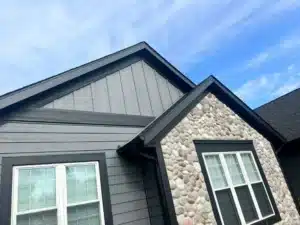
- Gable Accents: Installing black cedar shakes strictly within upper gable peaks creates dramatic focal points above standard lap siding or stone facades.
- Entryway Focus: Frame main entrance alcoves with black shakes to draw the eye directly to the front door, creating an inviting point of arrival.
- Natural Wood Breaks: Pair dark shakes with natural, unpainted cedar soffits, porch ceilings, or timber posts to soften the building’s outline and add organic warmth.
- Stone Retaining Walls: Frame dark shake walls with light-colored fieldstone, granite, or boulder retaining walls to ground the building visually.
Exterior Color Pairings for a Black Cedar Shake House
Selecting complementary colors for trim, roofing, and windows defines the final character of your house. Popular paint options like Benjamin Moore Onyx deliver deep, rich black finishes on natural cedar shakes.
When planning your overall color scheme, consider these proven combinations:
- High-Contrast White Trim: Pairing dark shake siding with bright white window trim and corner boards creates a classic, timeless look inspired by coastal architecture. Explore inspiring dark cedar shaker home exterior ideas to see how high-contrast trim anchors this style.
- Monochromatic Black-on-Black: Using black aluminum-clad window frames against black shake siding creates a streamlined, modern look that emphasizes house geometry and material texture.
- Steel Roofing: A pre-painted standing seam steel roof in dark charcoal or slate gray complements dark cedar siding while offering exceptional weather resistance.
- Warm Wood Doors: Natural oak, mahogany, or Douglas fir front doors break up dark wall planes and provide a focal point at the entrance.
Real Cedar vs. Faux Cedar Shake: Maintenance, Durability, and Cost
Homeowners evaluating a black cedar shake house must weigh the visual authenticity of natural split wood against the low-maintenance benefits of modern synthetic materials.
Natural cedar contains natural oils that resist insects and decay. However, real wood expands and contracts with shifting humidity, requiring periodic re-staining or painting to maintain deep black tones. Synthetic composite panels—such as high-density polyurethane or polymer faux shake panels—replicate cedar grain while offering built-in UV stability and moisture resistance.
To help evaluate your options, consider this comparison between natural cedar shake siding and synthetic black shake panels:
| Feature / Metric | Natural Cedar Shake Siding | Synthetic Black Faux Shake Panels |
|---|---|---|
| Material Composition | Authentic split Western Red or Yellow Cedar | High-density polymer or composite |
| Average Material Lifespan | 30 to 50+ years (with routine care) | 25 to 50 years (backed by warranties) |
| Maintenance Requirements | Medium to High (re-staining/painting every 5–7 yrs) | Low (occasional hose cleaning) |
| Rot & Insect Resistance | High natural resistance; needs clear sealant | Impervious to moisture rot and insects |
| Visual Texture & Authenticity | Unmatched natural grain variations | High-quality molded grain texture |
| Climate Performance | Requires proper ventilation gap | Highly stable across freeze-thaw cycles |
Before choosing a siding material, evaluate long-term maintenance costs and labor commitments. Learn more about performance expectations in our guide asking is cedar shake siding worth the maintenance cost?.
For homeowners considering engineered alternatives, understanding full material and installation costs is key. Read our detailed fiber cement siding cost guide for modern homeowners to compare synthetic costs against natural wood.
Painting, Staining, and Charring Methods
Achieving a durable black finish on natural cedar requires choosing the right surface application method:
- Acrylic Latex Paint: Offers thick coverage and uniform dark color. However, film-forming paints can trap moisture inside natural wood fibers if improper vapor barriers exist, potentially leading to peeling over time.
- Solid Color Stain: Penetrates deep into wood fibers without forming a rigid surface film, allowing the cedar to breathe while showcasing full surface texture.
- Yakisugi / Shou Sugi Ban (Charred Cedar): A traditional Japanese wood preservation technique where cedar boards are deeply charred with open flame. Charring caramelizes wood sugars, rendering the outer layer naturally resistant to fire, insects, rot, and UV degradation without chemical additives. Authentic charred cedar can last 80 to 150 years with minimal upkeep. Discover how charred black cedar design in modern coastal homes incorporates this historic technique into high-performance modern builds.
Performance, Climate Factors, and Installation Requirements
Southeastern Wisconsin weather presents extreme demands on residential exteriors. From hot, humid summer days in Lake Geneva to freezing winter ice dams in Fort Atkinson, local homes require correct siding installation.

Dark home exteriors absorb more thermal energy from direct sunlight than light-colored siding. This heat absorption accelerates seasonal expansion and contraction cycles. To protect your home’s structural framing, installers must implement key moisture management steps:
- Breather Layers & House Wrap: Install a textured rainscreen wall matrix behind cedar shakes to create an air gap for drainage and drying.
- ZIP Sheathing Systems: Integrating rigid insulated sheathing creates a continuous air and water barrier beneath siding, lowering thermal bridging during cold winter months.
- Staggered Seams & Leveling: Installing split shakes requires precise course leveling and staggered vertical joints to keep wind-driven rain from penetrating raw wall sheathings.
Recognizing early warning signs of exterior wear protects structural integrity. Review the primary signs it is time to install new siding on your home before water damage reaches interior framing.
Proper flashing around wall penetrations remains essential for long-term weatherproofing. Read our guide on mastering flashing and window trim details for siding to ensure window frames remain watertight.
Sustainability and Environmental Impact
Natural wood siding offers distinct environmental advantages when responsibly sourced. Real cedar sequesters carbon throughout its growth cycle, keeping carbon trapped inside wall assemblies for decades.
Furthermore, authentic wood siding generates significantly lower manufacturing emissions than synthetic vinyl or petro-chemical composites. When paired with high-performance insulation and durable metal roofing made from recycled materials, a dark wood home delivers exceptional eco-friendly performance. Explore real-world sustainable building practices in this black charred cedar lake house architecture case study.
Top Real-World Black Cedar Shake Exterior Inspirations
Seeing real-world architectural examples helps visualize how dark wood siding integrates into residential landscapes.
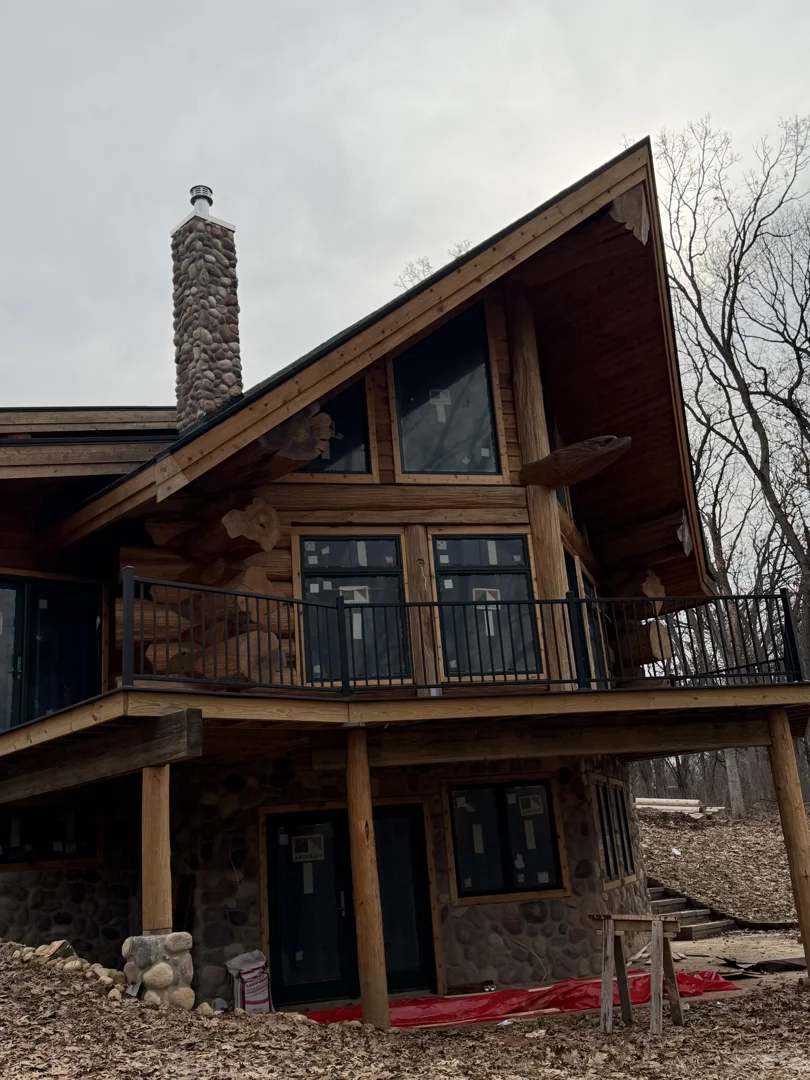
In Door County, Wisconsin, the notable SVART HUS project demonstrates how black wood siding connects modern architecture with regional landscapes. Designed by Kate Smith, the residence utilizes dark charred wood siding to form two distinct gabled structures set against five acres of pine forest and meadow. The dark volume recedes into forest shadows, letting surrounding greenery take center stage.
Check out these architectural project features for more detailed inspiration:
- Explore the complete SVART HUS project showcase on Archello to view high-resolution photography and design details.
- Read about the two-tone timber residence design feature showcasing how contrasting dark and natural wood volumes create depth.
- If you are considering mixing siding materials, consult the ultimate guide to brick and cedar shake homes for expert material pairing advice.
Frequently Asked Questions About Black Cedar Shake Exteriors
How long does a black cedar shake exterior last?
When properly installed with continuous rainscreen ventilation, natural cedar shake siding lasts between 30 and 50 years. Traditionally charred cedar (Shou Sugi Ban) lasts 80 to 150 years due to its fire and pest resistance.
Does painting cedar shake black damage the wood?
Applying thick, film-forming latex paint can trap ambient moisture inside wood fibers if wall cavities lack adequate back-ventilation. Solid exterior stains or specialized breathable alkyd oils are preferred because they allow wood to release trapped moisture naturally.
How do faux black cedar shake panels compare to real wood?
Synthetic faux shake panels offer faster installation and minimal maintenance, as they will not rot, split, or require re-staining. However, natural cedar provides authentic texture variations and natural carbon-sequestering benefits that synthetic polymers cannot fully replicate.
Conclusion
Designing a black cedar shake house creates a bold, timeless exterior that balances modern style with natural texture. Whether you are building a custom home, residing a rural retreat, or updating a modern suburban exterior, combining dark siding with proper trim, window details, and climate-ready installation ensures decades of striking curb appeal.
At Smith Roofing & Exteriors, our team brings local experience, superior craftsmanship, and transparent pricing to every residential exterior project across Southeastern Wisconsin—including Fort Atkinson, Jefferson, Lake Geneva, and surrounding communities.
Ready to explore siding options for your home? Contact us today to schedule a consultation with our local siding specialists or explore Smith Roofing & Exteriors residential siding services to start planning your exterior upgrade.