When a Storm Hits, Here’s How Getting Your Roof Replaced by Insurance Actually Works
Getting your roof replaced by insurance is possible when damage is caused by a sudden, covered event — but the process has real steps, real deadlines, and real money on the line.
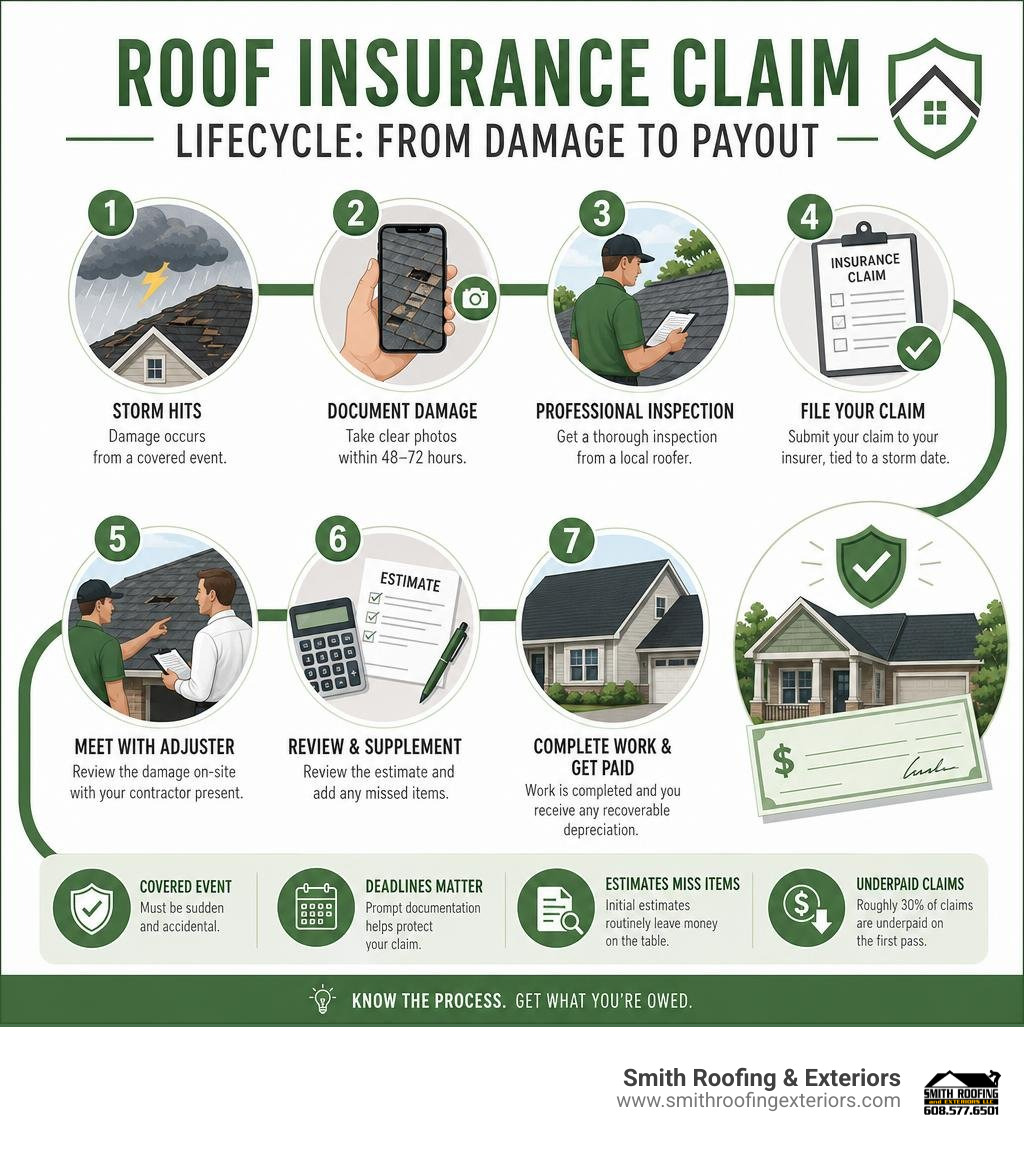
Here’s the short version of how it works:
- Storm or covered event damages your roof (wind, hail, falling tree, fire)
- Document the damage with photos within 48-72 hours
- Get a professional inspection from a local roofing contractor
- File your claim with your insurer, tied to a specific storm date
- Meet with the insurance adjuster — ideally with your contractor present
- Review the estimate and supplement any missed items
- Choose your contractor, complete the work, and collect any recoverable depreciation
Your insurer will only pay if the damage was sudden and accidental. Normal aging, neglect, and wear and tear are not covered — no matter how bad the roof looks.
A few things that catch homeowners off guard:
- Your policy type (ACV vs. RCV) determines how much you actually receive
- Wind and hail deductibles are often higher than your standard deductible
- Initial insurance estimates routinely miss items, leaving money on the table
- Roughly 30% of claims are underpaid on the first pass
The average full roof replacement runs around $11,500, but insurance claims can range from $10,000 to $20,000 depending on materials, roof size, and local labor costs. Knowing how to navigate the process is the difference between getting what you’re owed and absorbing thousands out of pocket.
I’m Matt Smith, owner of Smith Roofing & Exteriors, and I’ve walked Wisconsin homeowners through the roof insurance claim process more times than I can count — from the first inspection to the final check. In this guide, I’ll share everything I’ve learned about getting your roof replaced by insurance so you go in prepared, not blindsided.
Important getting roof replaced by insurance terms:
Does Homeowners Insurance Cover Roof Replacement?
Yes, homeowners insurance covers roof replacement, but only under specific circumstances. The core rule of thumb that insurance companies live by is that the damage must be caused by a “sudden and accidental” covered peril.
Insurance is designed to protect you from unexpected disasters, not standard home maintenance. If a severe windstorm rips half the shingles off your home in Lake Mills WI, or a heavy hail storm batters your roof in Jefferson WI, you have a very strong case for coverage. However, if your roof is 25 years old and simply wearing out because it has reached the end of its natural lifespan, your insurer will not foot the bill.
Covered Perils vs. Common Exclusions
To understand what your insurance will cover, you have to look at the difference between a covered peril and a policy exclusion.
Generally covered perils include:
- Windstorms and Tornadoes: High-velocity winds that lift, crack, or tear away shingles.
- Hail Damage: Hailstones (especially those 1 inch or larger) that bruise the shingle mat, knock off protective granules, or crack tiles.
- Falling Objects: A heavy oak limb crashing down onto your roof during a summer storm.
- Fire and Lightning strikes: Direct physical damage caused by combustion or electrical discharge.
- Weight of Ice, Snow, or Sleet: A major concern here in Southeastern WI, where heavy winter snow loads can compromise structural integrity.
On the flip side, insurers are quick to point out exclusions. The most common exclusion is wear and tear. If you have slow, gradual leaks that have been neglected for years, or if mold and rot have set in due to poor attic ventilation, your claim will likely be denied.
Additionally, some policies now include “cosmetic damage exclusions.” This means if hail dents your metal roof or discolors your shingles but does not affect the roof’s ability to shed water, the insurance company may refuse to pay for a replacement. To dive deeper into how these distinctions play out in real life, check out The Ultimate Guide to Roof Repair Insurance and Claims.
Will Getting Roof Replaced by Insurance Raise Your Premium?
This is one of the most common questions we hear at Smith Roofing & Exteriors. Homeowners are often terrified that filing a claim will cause their monthly premiums to skyrocket.
Here is the truth: insurance companies generally cannot single out a homeowner and raise their individual rates solely because they filed a single claim for an “act of nature” (like a hail storm or a tornado). These events are entirely out of your control.
However, your rates can still go up. When a severe storm sweeps through Southeastern WI—affecting communities from Fort Atkinson to Burlington and Delavan—insurers treat the entire region as a higher risk zone. They will adjust rates across the board for everyone in that ZIP code, regardless of whether you personally filed a claim. If your neighbors are all getting new roofs paid for by insurance, your rates are likely going up anyway. You might as well file a claim if your roof actually sustained damage.
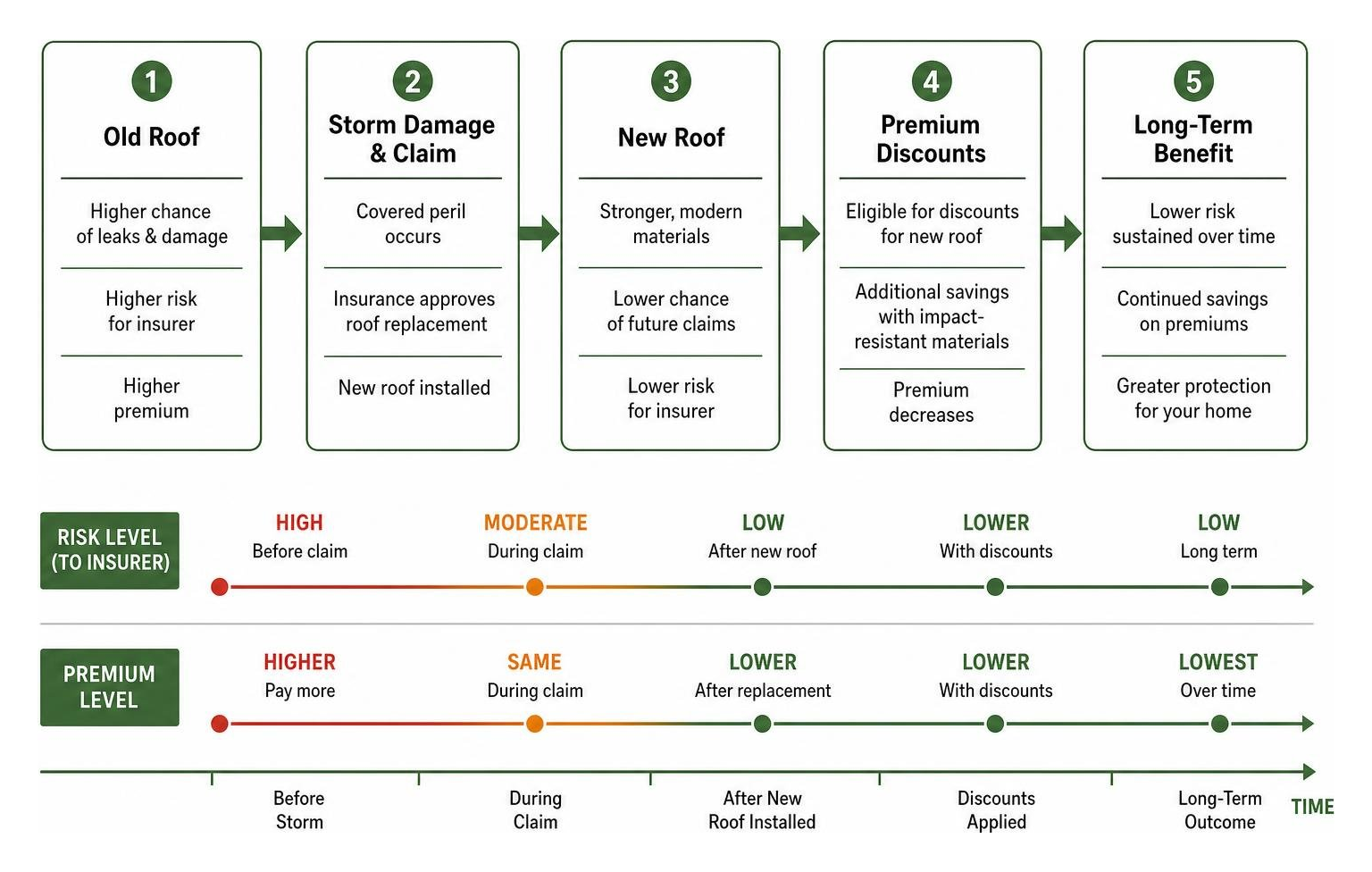
Even better, getting roof replaced by insurance can actually lower your long-term insurance costs. A brand-new roof represents significantly lower risk for an insurer. Older roofs are highly susceptible to leaks and structural issues, whereas a new, professionally installed roof is highly resilient.
Many insurance companies offer premium discounts ranging from 5% to 35% for a brand-new roof. If you upgrade to impact-resistant shingles—such as those with a UL 2218 Class 4 rating—you can commonly secure an additional 10% to 30% discount off your premium.
Understanding Policy Mechanics: ACV, RCV, and Deductibles
Before you file a claim, you must understand the financial math built into your specific homeowners insurance policy. Two policies can look identical on paper but pay out completely different amounts when it comes time for a roof replacement.
Actual Cash Value (ACV) vs. Replacement Cost Value (RCV)
This is the single most important distinction in the roofing insurance world. Your policy type dictates whether you will be writing a small check or a massive one.
- Replacement Cost Value (RCV): This is the gold standard. An RCV policy covers the actual cost to replace your roof with equivalent materials at today’s market prices, minus your deductible. The insurer pays this out in two stages. First, they send an initial check for the depreciated value (the ACV portion). Once the roof is fully replaced by a professional contractor and the final invoice is submitted, they release the remaining funds, known as recoverable depreciation.
- Actual Cash Value (ACV): An ACV policy only pays what your roof is worth today, factoring in its age and condition. The insurance company calculates the cost of a new roof and then subtracts depreciation. If you have a 15-year-old roof with a 30-year lifespan, it has depreciated by roughly 50%.
Let’s look at the financial math of these two policy types in action:
| Claim Detail | RCV Policy | ACV Policy |
|---|---|---|
| New Roof Replacement Cost | $15,000 | $15,000 |
| Roof Age Depreciation (50%) | -$0 (Fully Recoverable) | -$7,500 (Non-Recoverable) |
| Deductible | -$1,500 | -$1,500 |
| Initial Insurance Payout | $6,000 | $6,000 |
| Recoverable Depreciation Payout | $7,500 (Paid after completion) | $0 |
| Total Out-of-Pocket Cost | $1,500 (Just your deductible) | $9,000 (Deductible + Depreciation) |
As you can see, having an ACV policy on an older roof can leave you with a massive out-of-pocket bill. Some insurance companies will even automatically convert an RCV policy to an ACV policy once a roof reaches a certain age (typically 10 to 15 years). To understand how to navigate these policy differences and protect your wallet, read The Shingle Life: A Guide to Getting Your Roof Replaced by Insurance.
How Deductibles Work for Roof Claims
Your deductible is the fixed amount you must pay out of pocket before your insurance coverage kicks in. For standard property claims, this is usually a flat dollar amount, such as $1,000 or $1,500.
However, many modern policies feature percentage-based deductibles specifically for wind and hail damage. These deductibles are calculated as a percentage of your home’s total dwelling coverage (Coverage A), not the cost of the roof repair.
For example, if your home in Lake Geneva WI or Elkhorn WI is insured for $400,000, and you have a 2% wind/hail deductible, your out-of-pocket deductible is $8,000. If your roof replacement costs $15,000, the insurance company will only pay $7,000. It is crucial to check your policy’s declarations page so you aren’t shocked by a massive percentage-based deductible. For a comprehensive breakdown of these costs, take a look at our In-Depth Guide to Roof Replacement Cost.
A word of warning: never trust a contractor who offers to “cover,” “waive,” or “absorb” your insurance deductible. In many states, including Wisconsin, this is a serious form of insurance fraud. A reputable roofer will always require you to pay your deductible, as it is legally mandated by your policy. If a contractor claims they can bypass this, they are either inflating their estimate to the insurer (fraud) or cutting major corners on your roof installation.
The Step-by-Step Process of Getting Roof Replaced by Insurance
Filing a claim can feel like stepping into an administrative maze. To keep your sanity intact, follow this structured, step-by-step approach.
Documenting Damage and Filing Promptly
The clock starts ticking the moment a storm ends. Most insurance policies require you to file a claim within a specific window—often one to two years from the date of the storm—but you should aim to document the damage and notify your insurer within 48 to 72 hours. Waiting too long allows the insurer to argue that your roof’s issues are due to gradual wear and tear rather than a specific storm event.
- Safety First: Do not climb onto your roof to take pictures. Leave that to the professionals. Instead, walk around your property and take photos of any visible damage from the ground.
- Look for Clues: Photograph missing shingles, damaged siding, dented gutters, broken window screens, and ruined landscaping. If hail damaged your roof, it almost certainly left marks on your garage door or downspouts.
- Check the Interior: Look in your attic and top-floor ceilings for water stains, active leaks, or bubbling drywall.
- Mitigate Further Damage: If you have an active leak, you are legally obligated to prevent further damage. Keep receipts for any temporary emergency repairs, such as tarping, as your insurer will reimburse you for these costs.
For a detailed walkthrough of this initial phase, read our guide on How to File Roof Insurance Claims in 7 Easy Steps.
Working with Adjusters and Supplementing Estimates
Once your claim is filed, your insurance company will assign an insurance adjuster to inspect your roof. This meeting is the most critical juncture of the entire claim process.
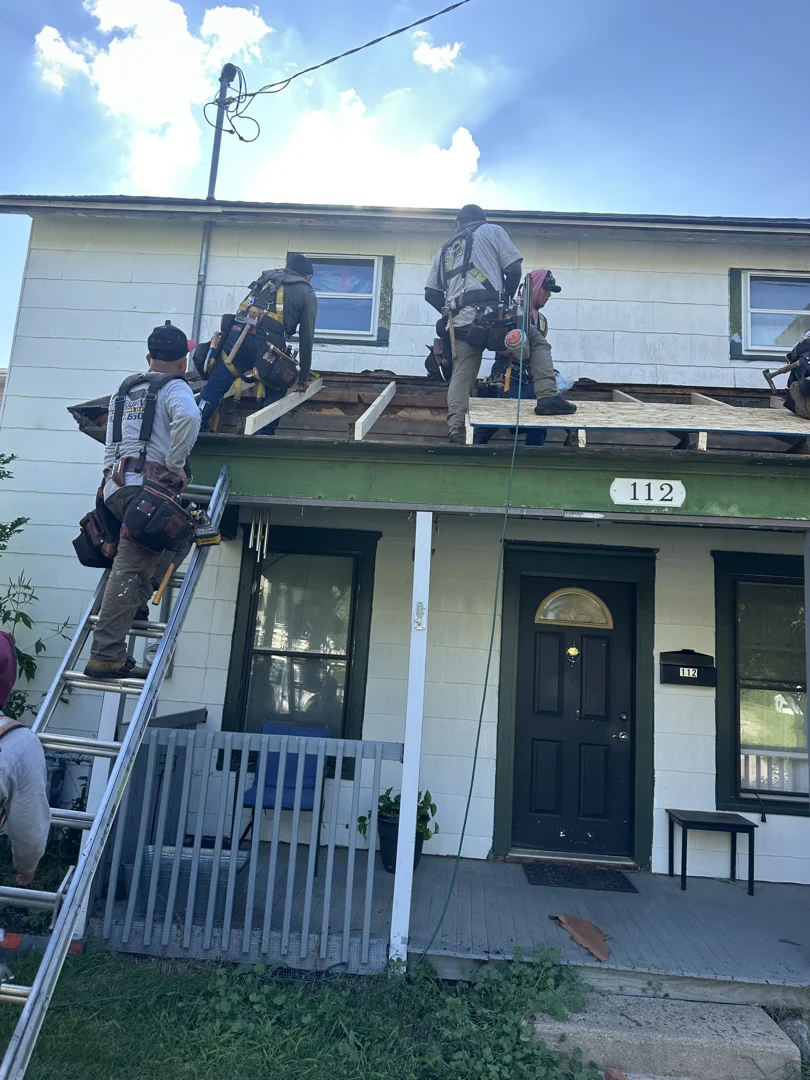
We highly recommend having your chosen local roofing contractor present during the adjuster’s inspection. Insurance adjusters are often busy, and they may miss subtle signs of hail bruising or wind damage. A professional roofer can point out these issues, ensuring they are documented in the adjuster’s report.
After the inspection, the adjuster will generate an estimate using a software program called Xactimate. This is where many claims fall short. Initial insurance estimates routinely miss critical line items required to complete the job properly, such as:
- Drip edge installation
- Ice and water shield underlayment
- Flashing replacement
- Local building code upgrades
This is where the supplementing process comes in. A supplement is a request sent by your contractor to the insurance company for additional funds to cover these missed or code-required items. Insurance companies actually expect this; they approve 60-80% of valid supplement items, which routinely recovers $2,000 to $8,000 in additional funding to ensure your roof is built to modern standards. To understand why sharing your insurance paperwork with your contractor is vital to this process, read our guide, Estimate Escape Room: Why Contractors Need Your Insurance Paperwork.
State-Specific Rules and Choosing Your Contractor
While states like Texas and Florida have highly publicized, strict legislation regarding roof claims (such as Texas Senate Bill 76 or Florida Senate Bill 2D, which address contractor solicitations and deductible laws), Wisconsin homeowners must navigate our own set of regional building codes and rules.
In Southeastern WI—including communities like Walworth WI, Edgerton WI, and Delavan WI—local building codes are incredibly strict about ice and water shield installation due to our severe winter freeze-thaw cycles. If your insurance adjuster’s estimate doesn’t include these code-mandated materials, your local contractor must advocate for a code-upgrade supplement.
For more context on how these insurance rules differ across the country, you can read the 2026 Texas Roof Claim Guide or explore general strategies in this comprehensive RoofVista Guide on Getting Your Roof Replaced Through Insurance.
What is the Timeline for Getting Roof Replaced by Insurance?
The timeline for a roof claim can vary wildly depending on the severity of the storm and your insurer’s responsiveness.
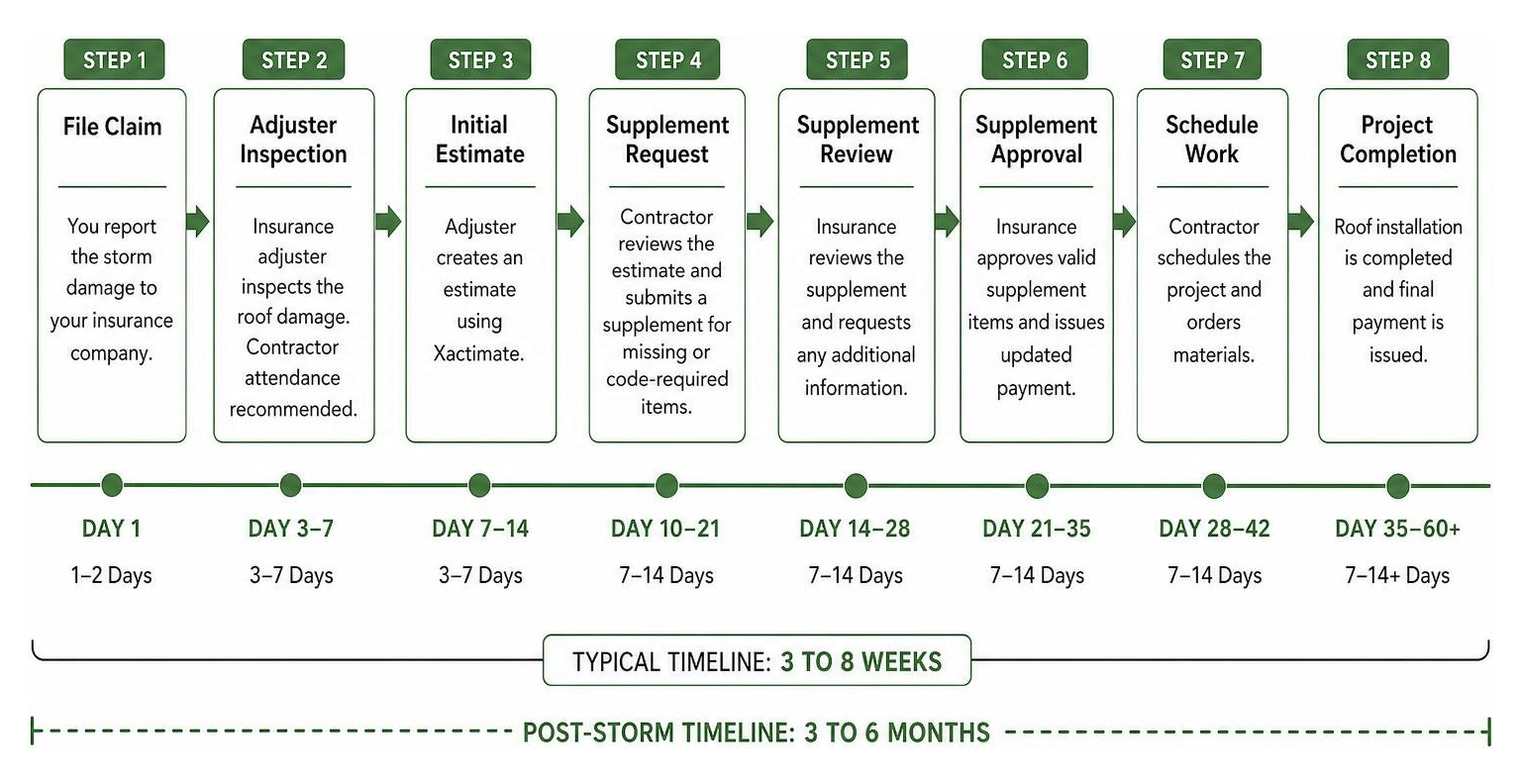
- Standard Timeline: In normal conditions, the process from filing a claim to starting construction takes about 3 to 8 weeks.
- Post-Storm Timeline: If a major storm system hits Southeastern WI, adjusters and contractors will be stretched thin. In these cases, the process can easily stretch to 3 to 6 months.
Here is what a typical timeline looks like:
To learn more about managing this timeline locally, especially if you live in the Burlington area, check out Navigating Your Insurance Roof Claim in Burlington Like a Pro.
What to Do If Your Claim Is Denied or Underpaid
It is incredibly frustrating to receive a denial letter or an estimate that covers only a fraction of the actual replacement cost. However, a denial is not the end of the road. Approximately 5-10% of claims are denied initially, and roughly 30% are underpaid, but you have legal avenues to fight back.
Navigating Denials and the Appeal Process
If your claim is denied or heavily underpaid, do not panic. Take these systematic steps to appeal the decision:
- Request a Re-Inspection: If your contractor believes the adjuster missed obvious damage, you can request a second inspection with a different adjuster. Your contractor should absolutely be present for this meeting.
- Invoke the Appraisal Clause: If you and your insurer cannot agree on the cost of the damage, most policies allow you to invoke the “appraisal clause.” Under this process, you and the insurer each hire an independent appraiser. These two appraisers choose an “umpire.” If the two appraisers agree on a value, or if one appraiser and the umpire agree, that amount becomes binding.
- Hire a Public Adjuster: A public adjuster is an independent insurance professional you hire to represent your interests. They will document the damage, negotiate with your insurer, and fight for a fair payout. They typically charge a fee (usually 10% to 15% of the final payout). To weigh the pros and cons, read Public Adjusters and Roof Claims: What Your Insurance Company Won’t Tell You.
- File a Complaint: If you feel your insurer is acting in bad faith, you can file a formal complaint with the Wisconsin Office of the Commissioner of Insurance.
Spotting Storm Chasers and Avoiding Scams
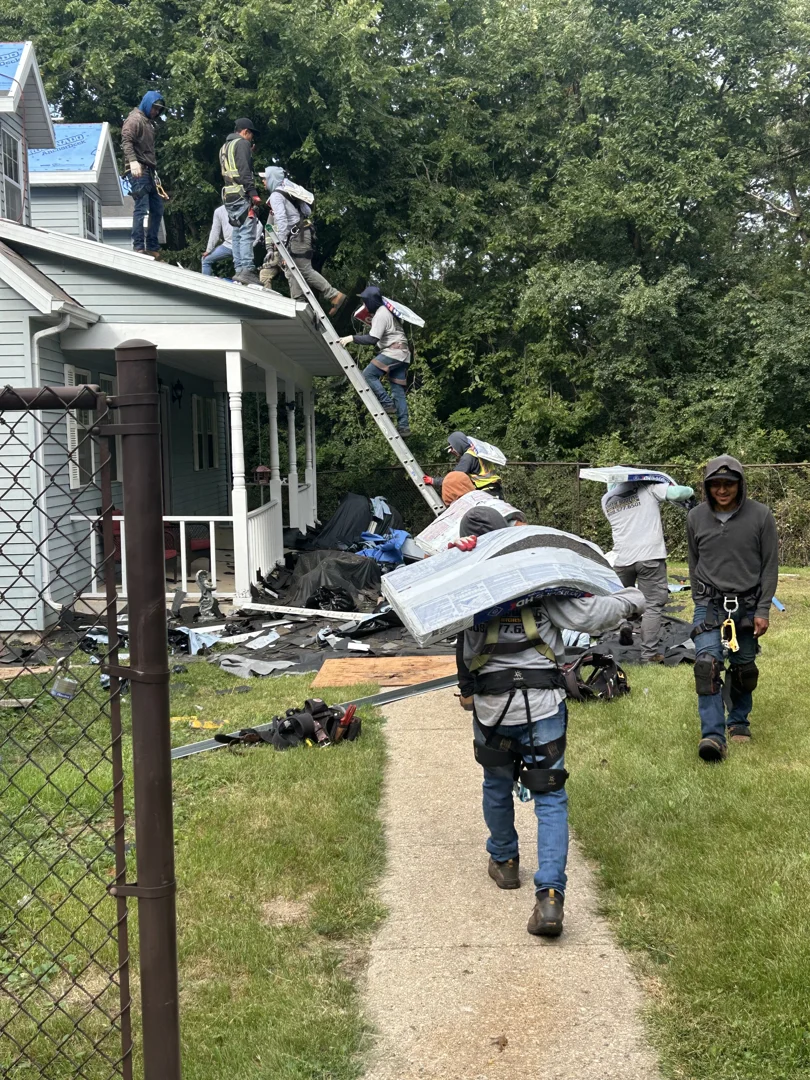
After a major storm hits Southeastern WI, out-of-state “storm chasers” will flood local neighborhoods. These are transient roofing companies that travel from state to state following severe weather. They knock on doors, offer free inspections, and promise to get you a “free roof.”
Watch out for these classic storm chaser red flags:
- Out-of-State License Plates: Or temporary local phone numbers.
- High-Pressure Tactics: Demanding you sign a contract before they even inspect the roof.
- Offering to Waive Your Deductible: As mentioned, this is illegal.
- Demanding Full Payout Upfront: A reputable contractor will never ask for 100% of the money before materials are delivered and work begins.
Always choose an established local contractor with a physical office, local reviews, and a solid workmanship warranty. If a storm chaser installs a leaky roof and leaves the state next week, your warranty is completely worthless. For tips on identifying real storm damage and choosing a trustworthy partner, read How to Spot Hail Damage and Get Your Insurance to Pay.
Frequently Asked Questions About Roof Claims
Can I choose my own contractor for an insurance roof replacement?
Absolutely. You are under no obligation to use the “preferred contractors” suggested by your insurance company. You have the legal right to hire any licensed, insured contractor you trust.
While insurance companies prefer their network because they have pre-negotiated labor rates, hiring an independent local contractor ensures your roof is installed to high local standards, not just the bare minimum the insurer wants to pay for. To understand how independent estimates compare to insurance pricing, read The Price of Protection: Shingle Roof Repair Cost Guide.
What if my roof is old but has storm damage?
Even if your roof is 15 or 20 years old, if it is hit by a sudden, covered storm event, your insurance company must pay to repair or replace the storm-damaged portions.
However, if you have an ACV policy, your payout will be heavily reduced by depreciation. If you have an RCV policy, they will still cover the full replacement cost (minus your deductible), provided the damage was directly caused by the storm and not pre-existing rot or neglect. To learn more about identifying hail damage on older shingles, check out Hail Damage Roof 101.
Does insurance cover roof leaks?
Yes, but only if the leak was caused by a sudden, covered peril (like a tree limb puncturing the roof or wind ripping away shingles). If the leak is a result of a 20-year-old flashing slowly rusting out due to lack of maintenance, the insurance company will deny the claim.
If a covered leak occurs, insurance will typically pay to repair the roof and fix the resulting interior water damage (like ruined drywall or stained ceilings). Remember to immediately tarp the area to prevent further water intrusion, as neglecting to do so can void your coverage.
Conclusion
Getting your roof replaced by insurance doesn’t have to be a nightmare. By understanding your policy, acting quickly after a storm, and refusing to fall for storm-chaser scams, you can navigate the claims process smoothly and secure the full payout you deserve.
At Smith Roofing & Exteriors, we are proud to be the trusted local roofing experts in Fort Atkinson, WI, and the surrounding Southeastern Wisconsin communities. Our experienced local team is dedicated to providing superior materials, transparent pricing, and 24/7 emergency services to protect your home when disaster strikes. We don’t just install roofs—we stand by our neighbors through the entire insurance claim process, ensuring your home is restored to safety and beauty without the stress.
If your roof took storm damage, don’t face the insurance company alone. Contact us today at our Fort Atkinson office (N2603 Kutz Rd, Fort Atkinson, WI 53538) or visit our storm damage restoration services page to schedule your free, honest, professional roof inspection. Let’s get your home protected together!